
Orava Castle
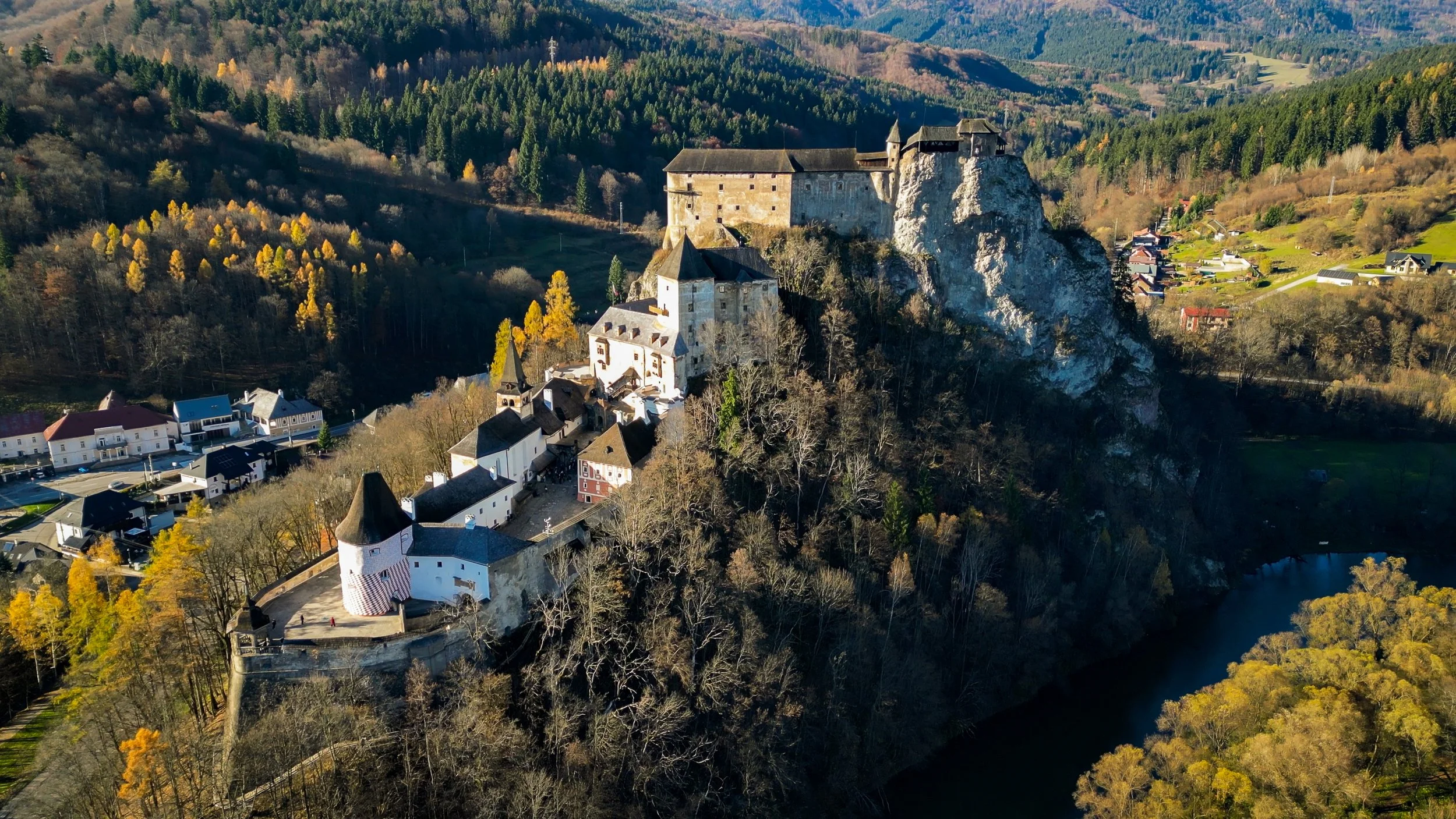
Located in northern Slovakia in the village of Oravský Podzámok, Orava Castle, or Oravaský hrad, is one of the best examples of the ingenuity and creativity of the middle age Europeans. It is a breathtaking centerpiece to the valley it inhabits, situated as it is on a hill in the center. It is a climb to even approach its gates and the further into the castle you progress, the higher you go. It reminds me of the Burrow from Harry Potter, in such a way was it built.
The written origins of the castle begin in the 1200s, although we know that the hill and surrounding area had been inhabited much further back in time. Since its humble wooden beginnings during the tumultuous years of Mongol incursion into what was then Hungary, Orava has been built up, burned down, built up, left to decay, and built up again. It is currently a national monument in Slovakia, and is in excellent shape for its age.
The castle was used in the 1922 Nosferatu film, the second film in the Dragonheart series, and the 2020 Netflix Dracula series, as well as being the inspiration for Kaer Mohren from the Witcher franchise. It has been used for many non English television shows and cinema as well, which exemplifies its justifiable hold on the artistic imagination. A 2 hour drive to Krakow and a 3 hour drive to Bratislava make this a day trip at best for anyone living in the closest metropolitan areas. Its' out of the way location has certainly kept it from being a more popular tourist destination than it already is.
The castle is decidedly not mobility friendly. More up than out, the castle rises steeply from the top of a large hill, and requires many steps to reach the top. There are no elevators and wheelchair bound visitors will be limited to the lowest levels, at best. The lower entrance to the castle is up a steep incline to begin with, though the view from the town is good as well.
Tickets can be purchased on site during open hours, and there is an information center. Much of the information is not provided in English. If you do not have Slovakian at your disposal, a translation app will come in handy.
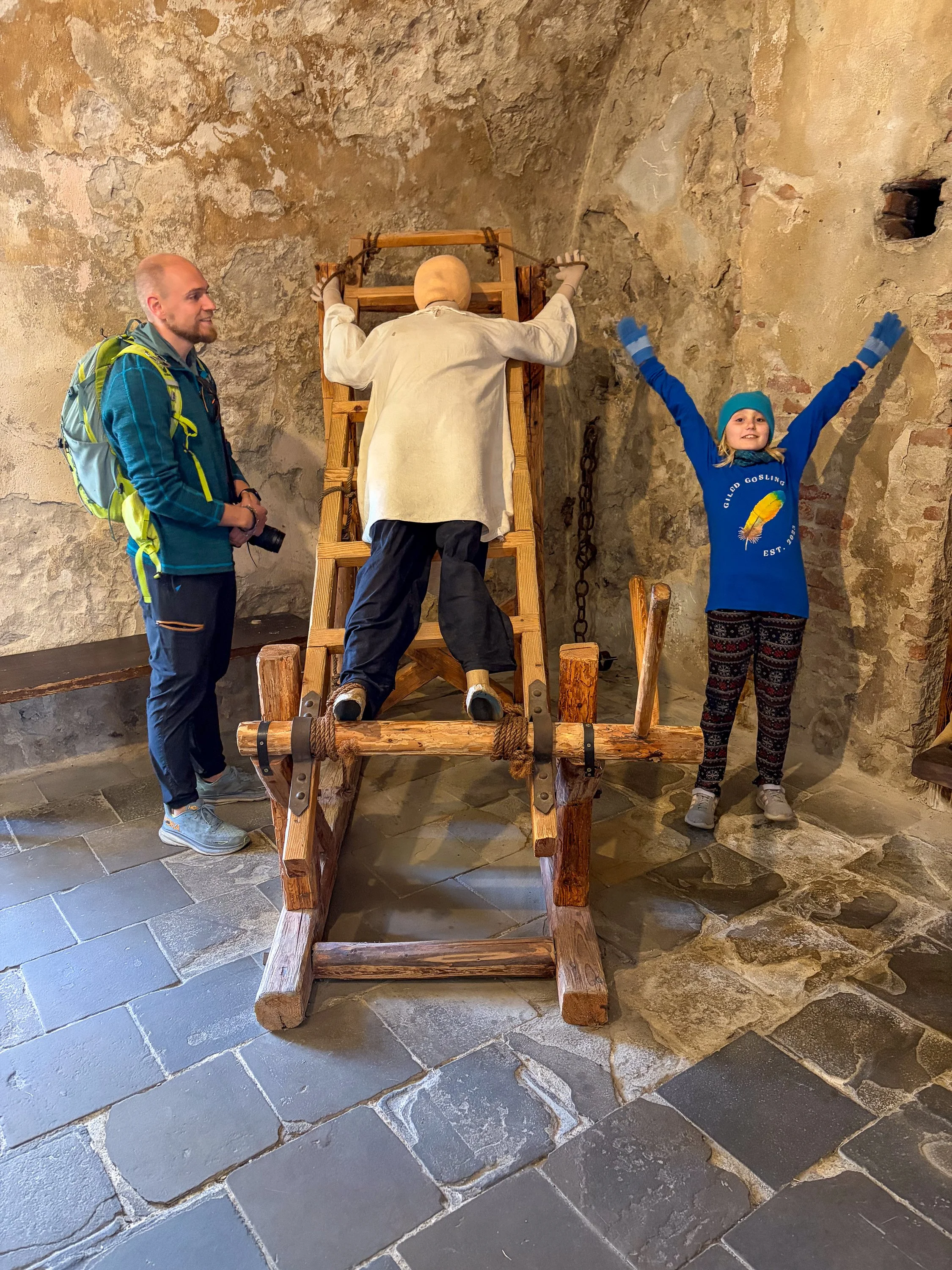
Though the castle is an interesting field trip today, in the past it played an important role as a place of serious business.
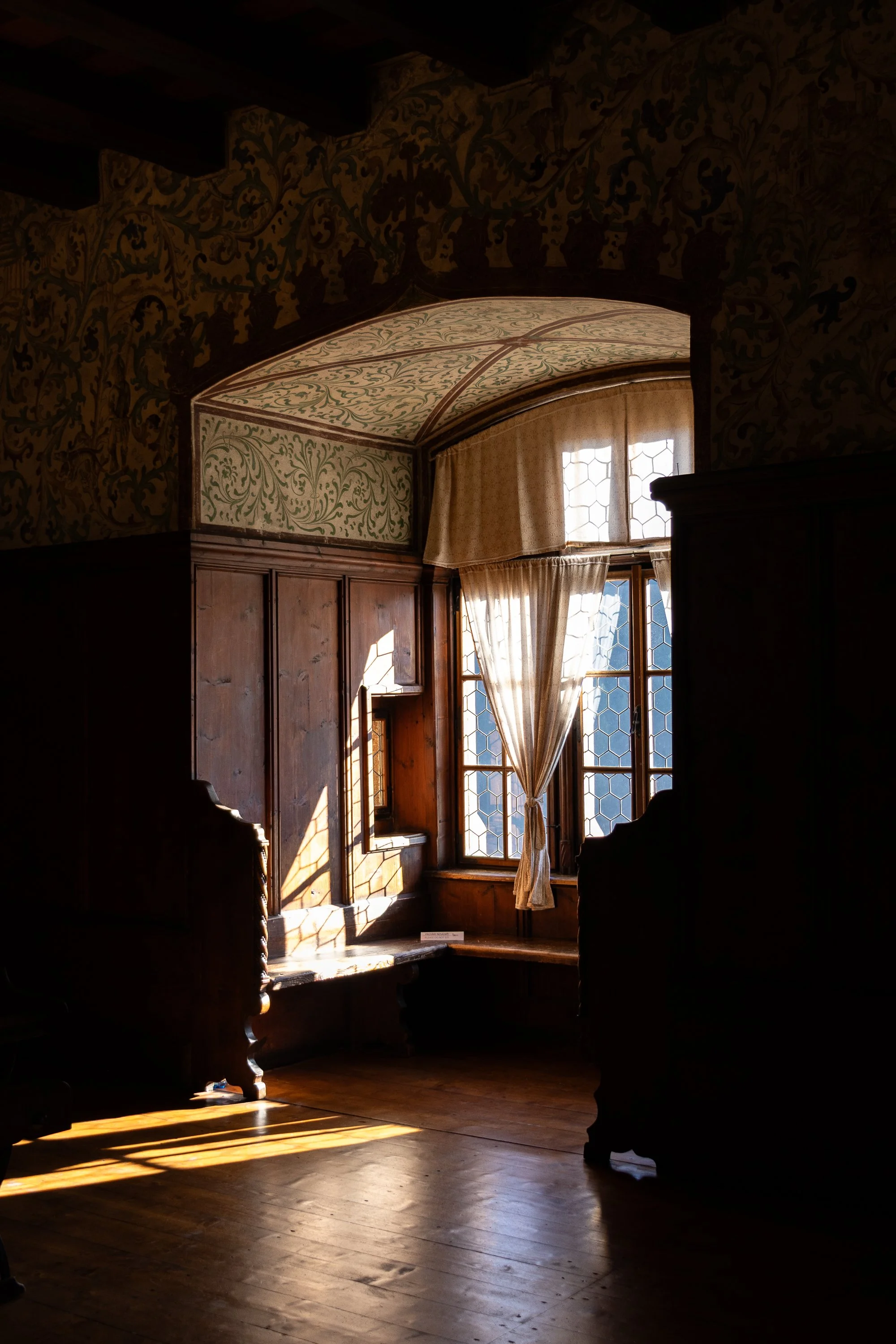
The interior of the castle is like a museum, with furniture, art, clothes, and other paraphernalia inherent to the area over the years.
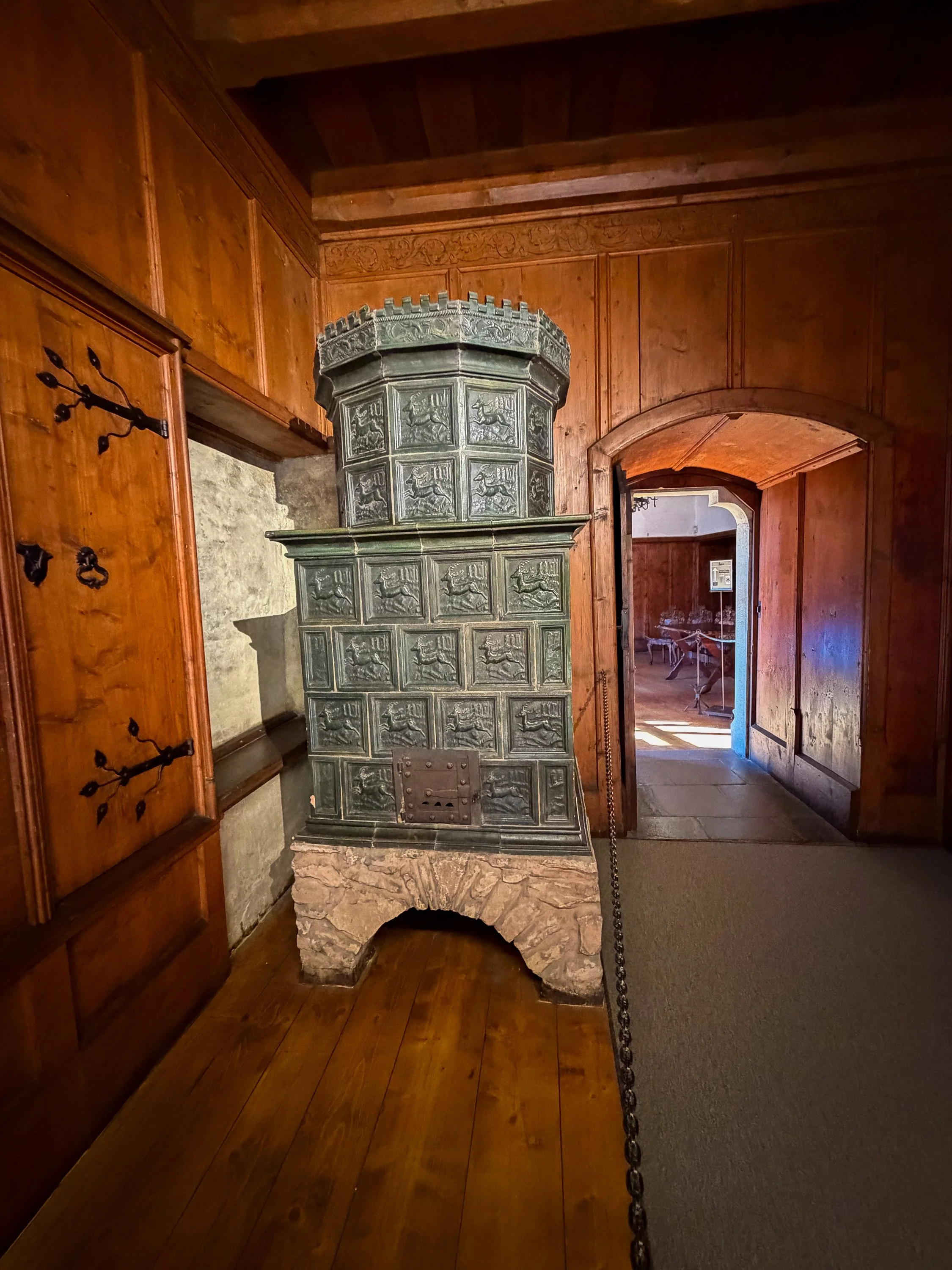
One of the many fireplaces, in a style typical of this area of central Europe