
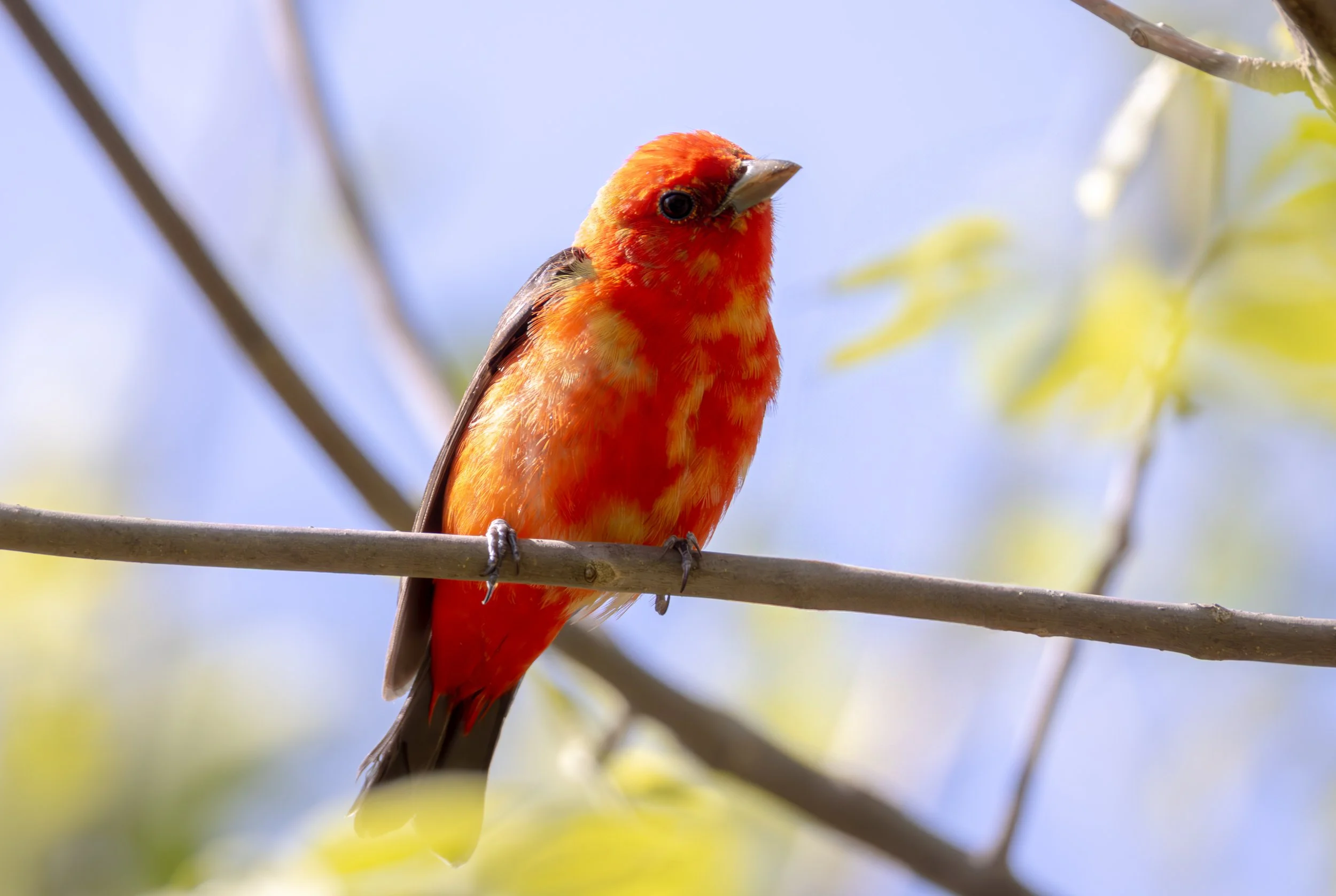
While Ohio may be the butt of many jokes made by the other Midwestern states, it does have a surprising amount to offer in the way of natural life, both flora and fauna. Below are some of the examples you can expect to find on a hike through many of the excellent parks and natural areas in the Heart of It All.
All of the photos were taken by the Gilded Gosling, of course, and all in Ohio.
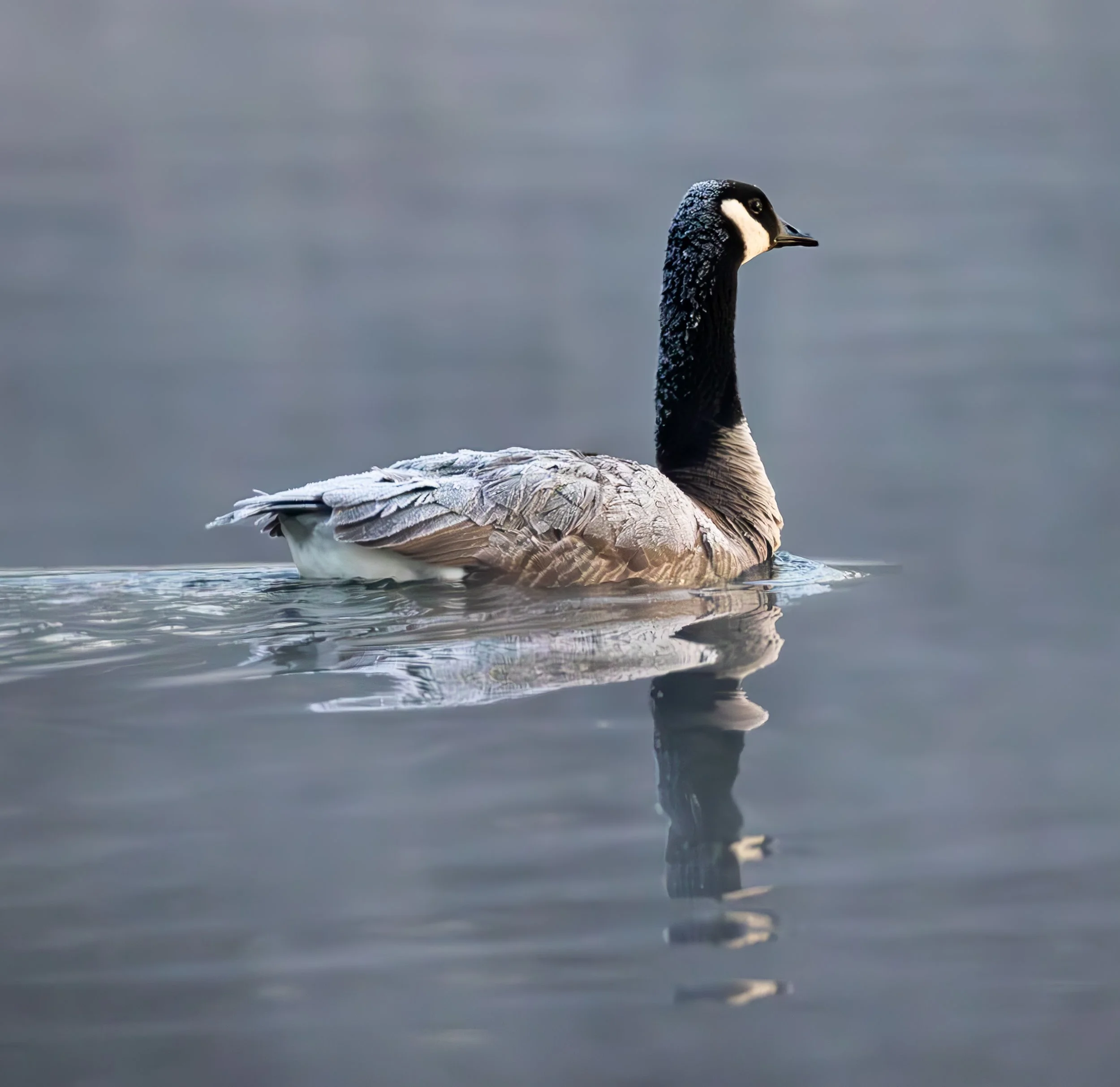
Canada Goose, Tinker Creek
The Canada Goose (Branta Canadensis) is a winner, a real leader in ornithological circles. Present in Cana(duh), the US, and even Mexico, it migrates, unless it doesn’t. While many populations make the trek north and south each year, there are year round, resident groups in many states, including Ohio. No matter the month, you’ll find a Canada Goose somewhere in the Buckeye State.
The Canada Goose is adaptable and lives alongside humans just as easily as in a remote lake in the far north. While easy to take for granted due to the nuisance they can be, and the fact that they’re always around, in their native habitat they can be just as majestic as any other natural creature.
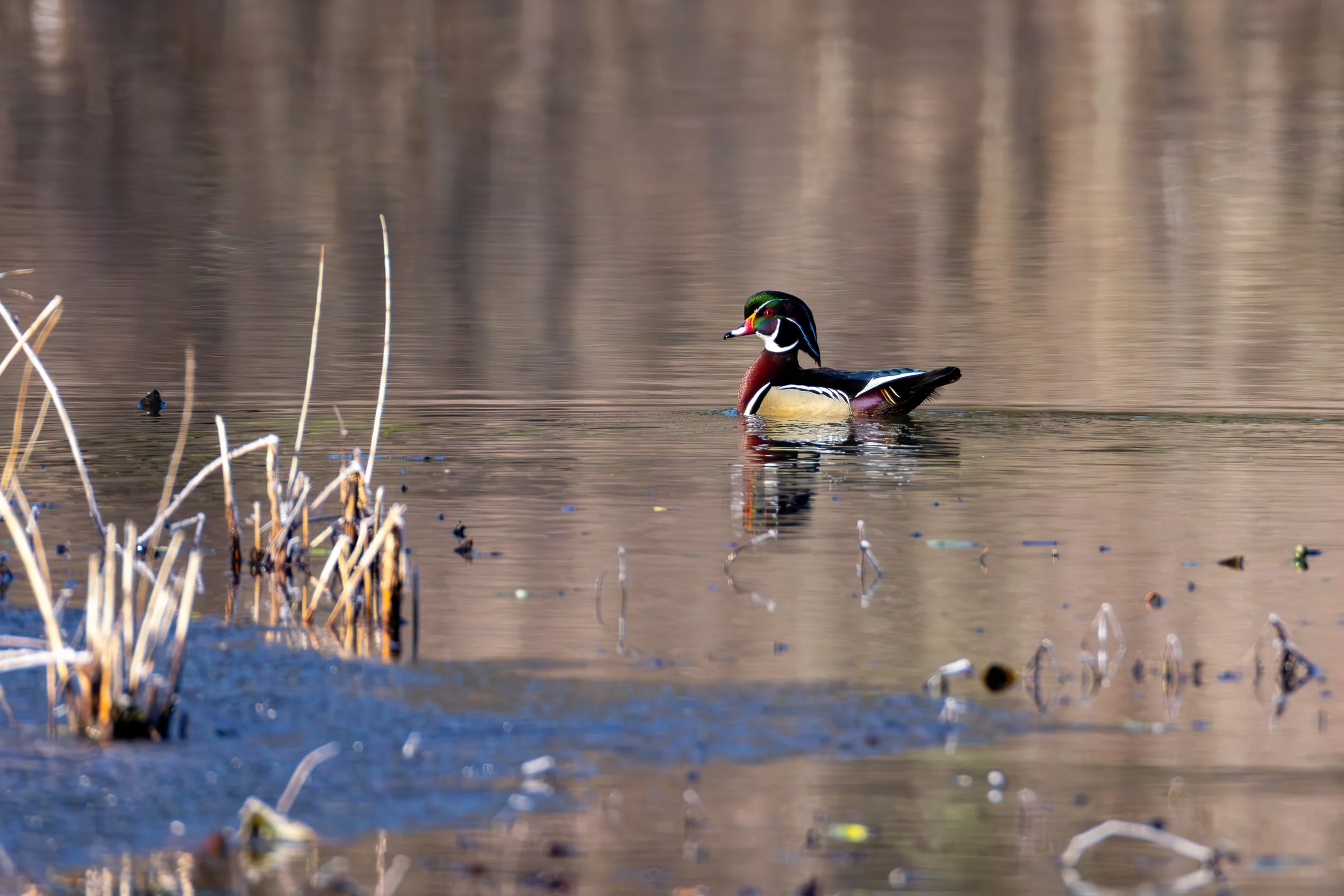
Wood Duck, Tinker Creek
The Wood Duck (Aix sponsa) is an odd duck, among ducks, not only for its glorious colors and plumage. You may at first glance mistake a wood duck for the only other member of the Aix genus, the mandarin duck. As the mandarin duck inhabits parts of the world that do not include North America, your confusion should be momentary. The wood duck is also monotypic, meaning there are no recognized subspecies, so any lingering confusion should be finally consumed by interest in this flamboyant bird.
Setting it further apart from its contemporary water fowl, this is the only duck in North America that perches in trees, hence the name.
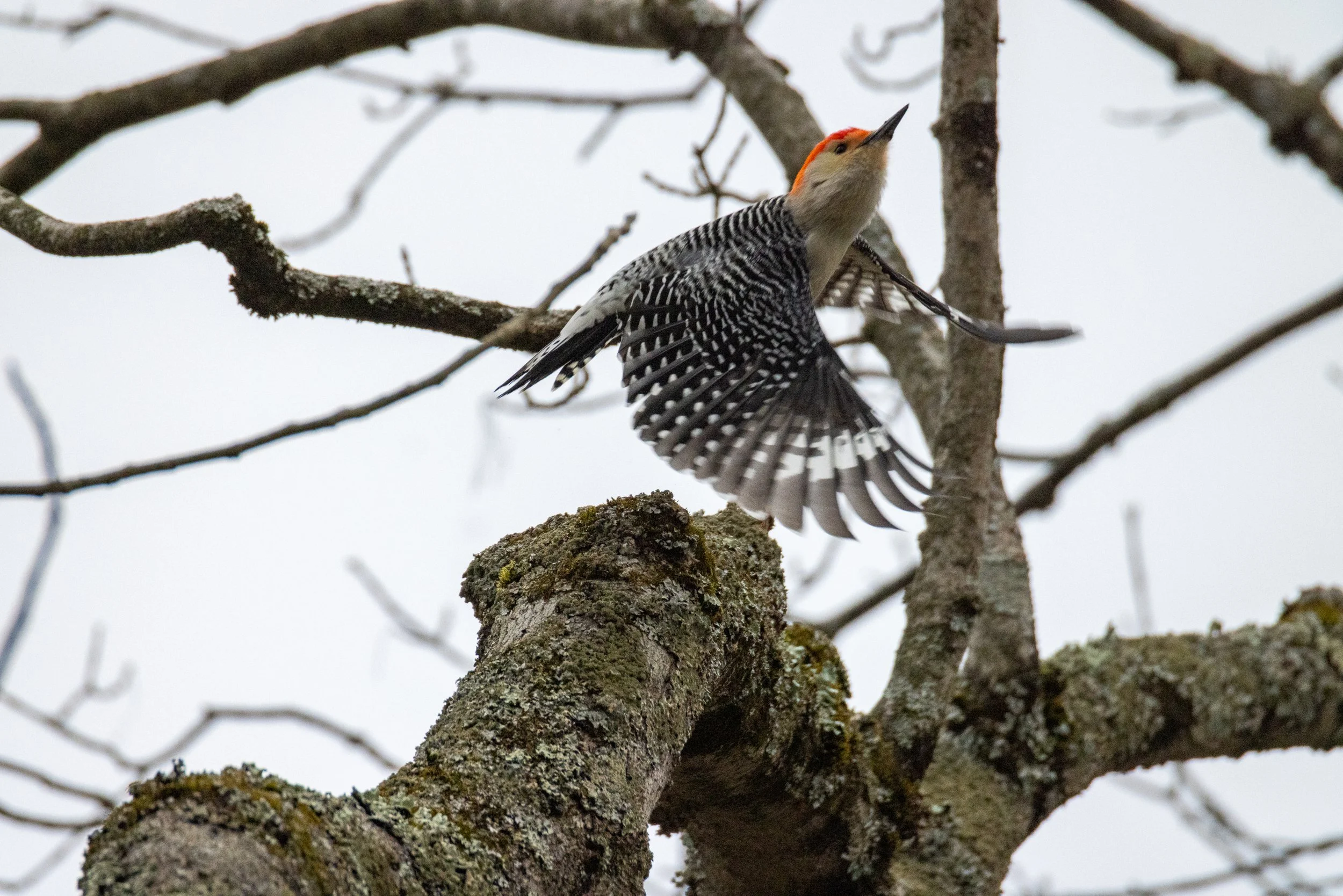
Red-Bellied Woodpecker, Liberty Park
Melanerpes Carolinus’ English name is somewhat of a misnomer, or perhaps more correctly a red herring, given the color of its head. The Red-Bellied part comes from the reddish tint of its white chest feathers. It is likely its cousin, the Red Headed Woodpecker was named first, but it could be worse. It could be a Yellow-Bellied Sapsucker.
For such a small bird, they are surprisingly easy to find once you have the trick of it. Their distinctive tapping can be identified by any child, and their calls are unique enough to remember after a single hearing, once you know what it is. They have been observed to store food and are a sucker for suet and certain nuts and seeds, and can be attracted fairly easily if they are in the area.
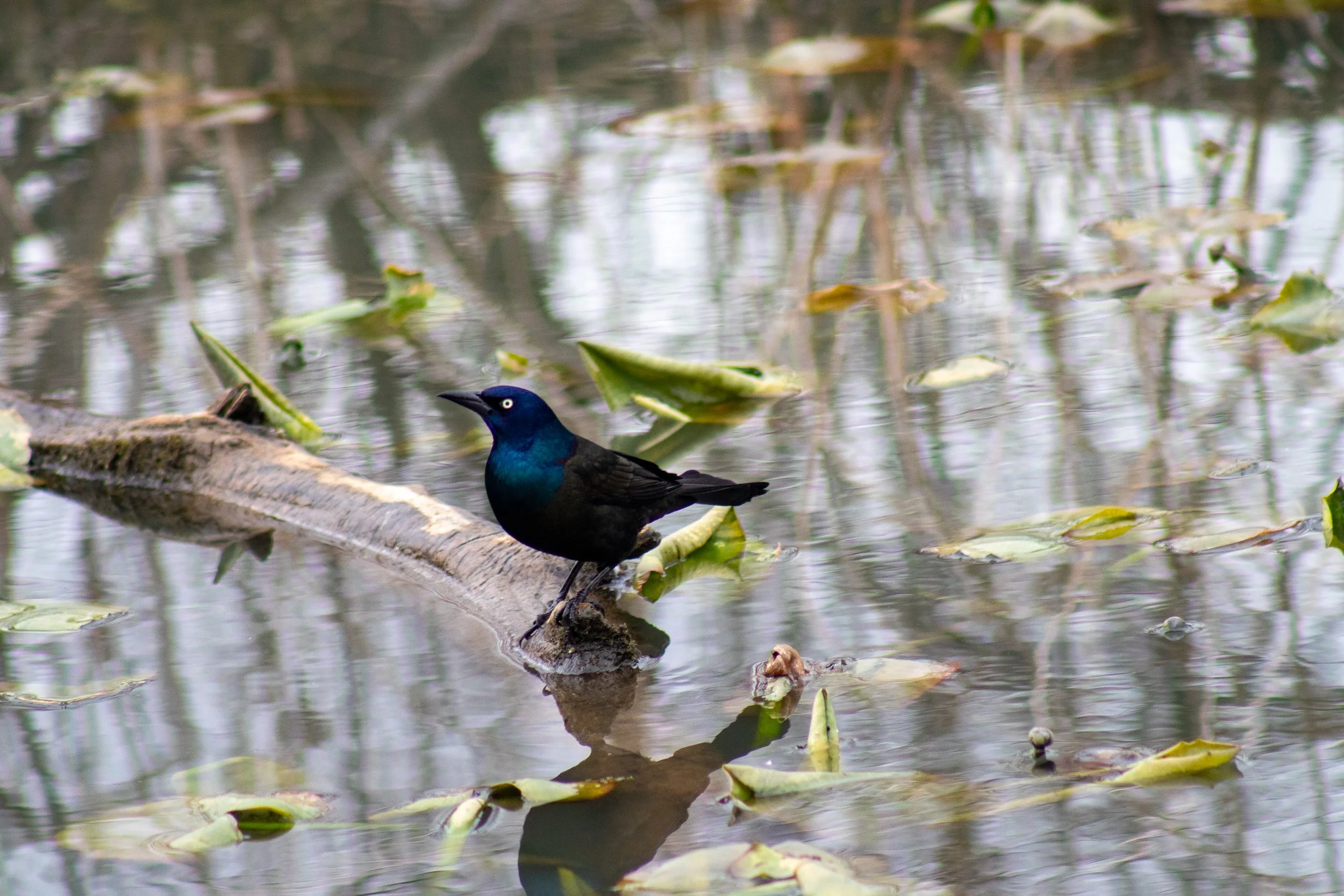
Common Grackle, Beaver Marsh
Quiscalus Quiscula sounds a lot cooler than Common Grackle. Sometimes this proliferate avian species gets a bad rap for being a pest, due to its love of corn, lack of discernment when it comes to any other food, and the fact that you can find it anywhere in the US aside from the most western states. Occasionally considered a pest, it is possibly a species on the decline, though you wouldn’t know it depending on where you are, so maybe not.
Though there are several species of Grackle, the Common variety is identifiable from other Grackle and Blackbirds by its iridescent and glossy coloring, primarily blue, green, and purple. They have a raucous, garbly sound not dissimilar from a crow, and can be found in Ohio year round, though some populations migrate in other parts of the US.
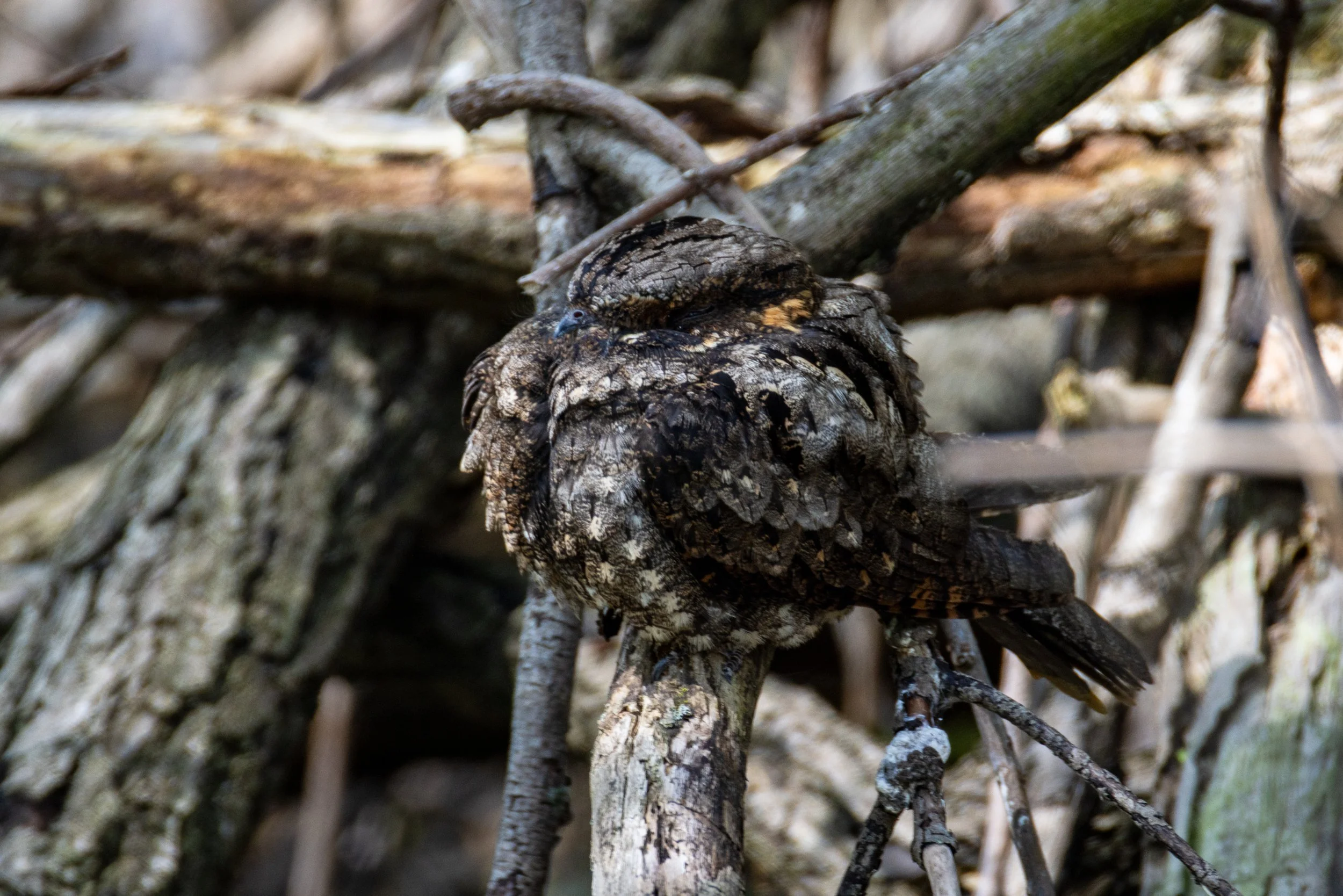
Eastern Whippoorwill, Magee Marsh
Antrostomus Vociferus isn’t quite as fun to say as whip-or-will, but it is easier to say than it is to find one with the naked eye. These decorous chaps blend in to their wooded environment wonderfully well, making them a collector’s item among birders. They are considered somewhere between common and near threatened, dependent on where they are.
The call of the Whippoorwill is distinct and rooted in legend and story, both old and new. It has in turns been considered an ill omen, a harbinger of death, and a collector of souls. Lovers of Lovecraftian horror may recognize the Whippoorwill from one of the author’s stories.
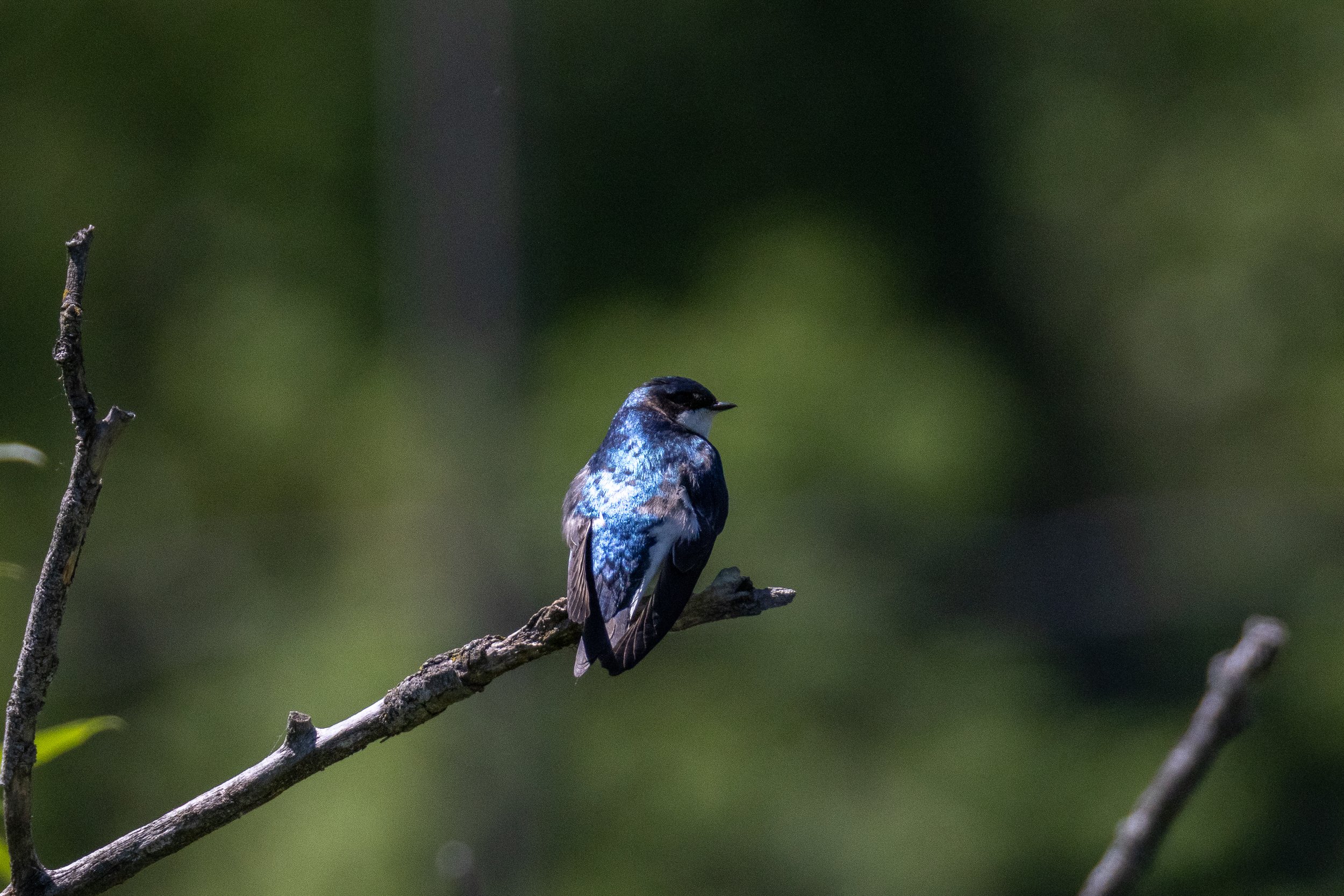
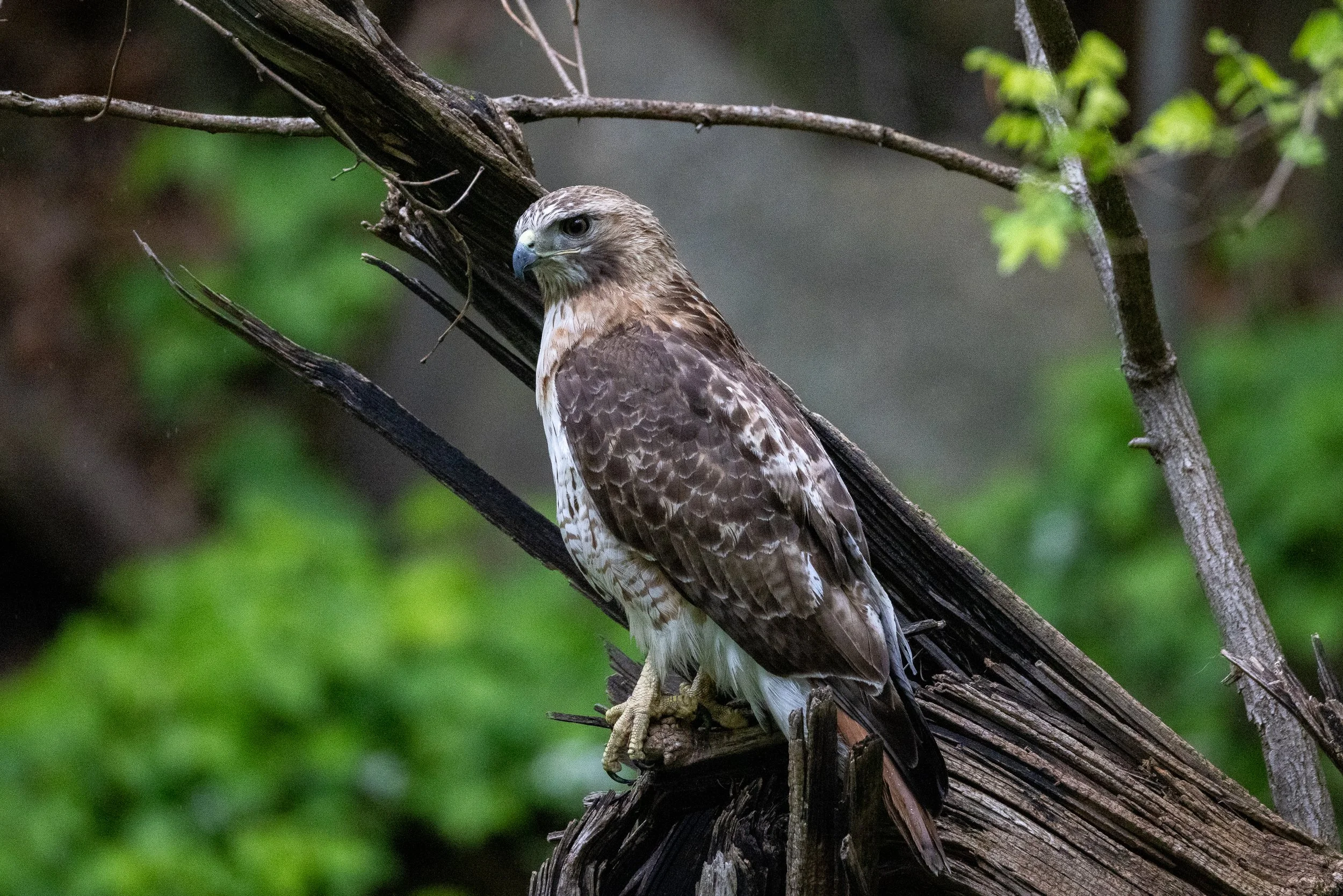
Tree Swallow, Beaver Marsh
Tree Swallows, Tachycineta Bicolor, are delightful little idiots that are notoriously hard to photograph in flight. Their swooping, sudden changes of direction are not conducive to close ups or clear, sharo images. Thankfully, they do tend to rest on and nest in trees devoid of leaves, hence the name.
Though they do not have a year round home, they are around the same places in North America every year like clockwork. The Tree Swallow eats insects mostly but will also eat some plant life, mostly berries, and can live about a decade in the right conditions. During migration they can join together and create flocks tens of thousands or even hundreds of thousands of birds strong. As predictable as they are, it is fairly easy to lure some into your yard with the right food and the right bird box.
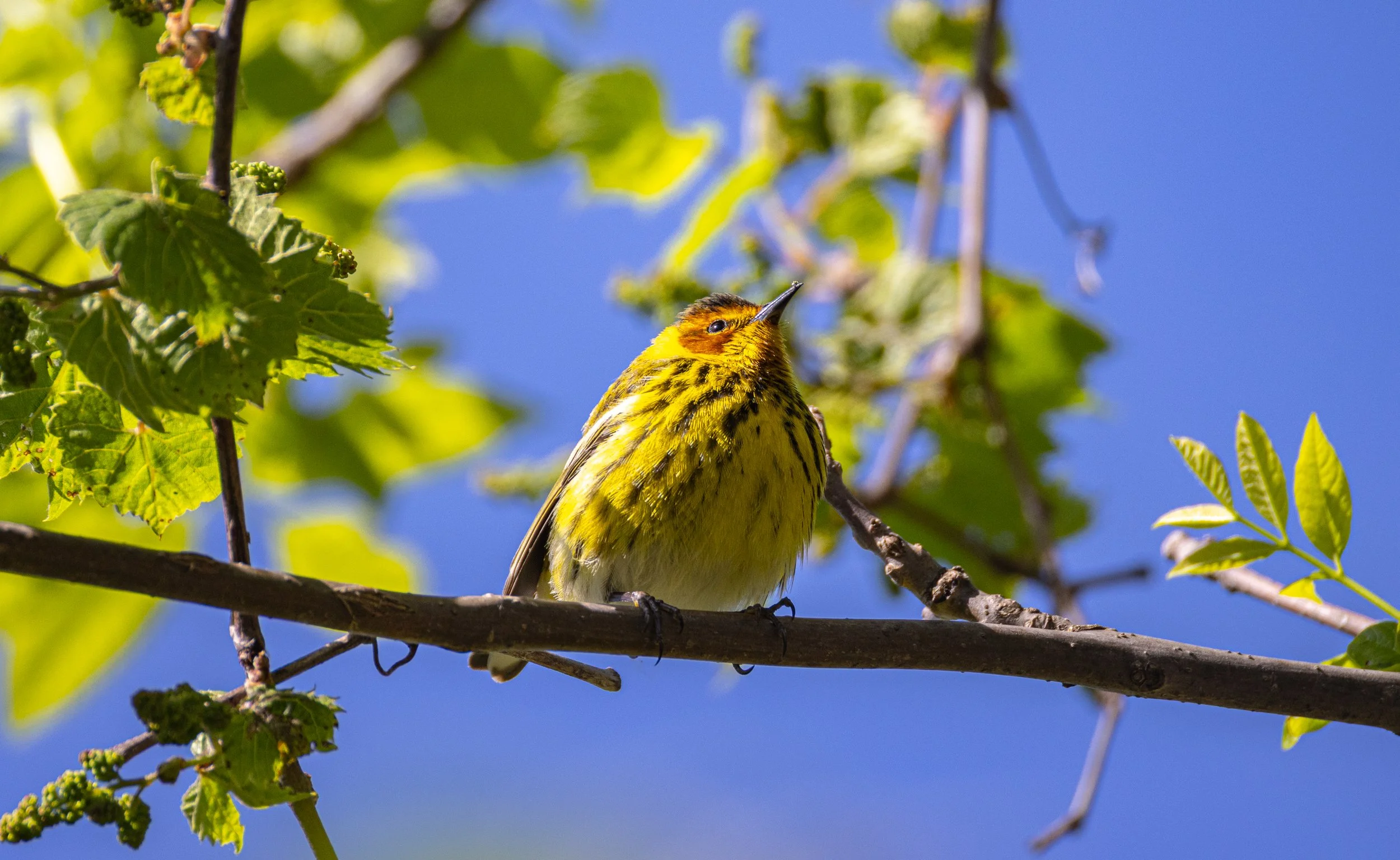
Warbler, Magee Marsh
There are… a lot of warblers. This is not an ornithological dissertation, so we are not going to dive into each and every type and permutation of warbler here. Suffice to say, there are a lot.
A big part of the reason northern Ohio plays host to the Biggest Week in American Birding each year is due to the warbler and songbird migration that takes place in April and May. Starting from their winter homes in and around the Neotropics of South and Central America, these tiny birds squeeze into the southern coast of Lake Eerie in fantastic numbers, making places like Magee Marsh bird meccas for the inclined birder.
Though there are some exceptions, most warblers feed mostly on insects, meaning it is difficult to attract them with store-bought goods without further planning. They frequent the tops of trees, giving earnest birders a condition known as “warbler-neck”, from excessive upward browsing.
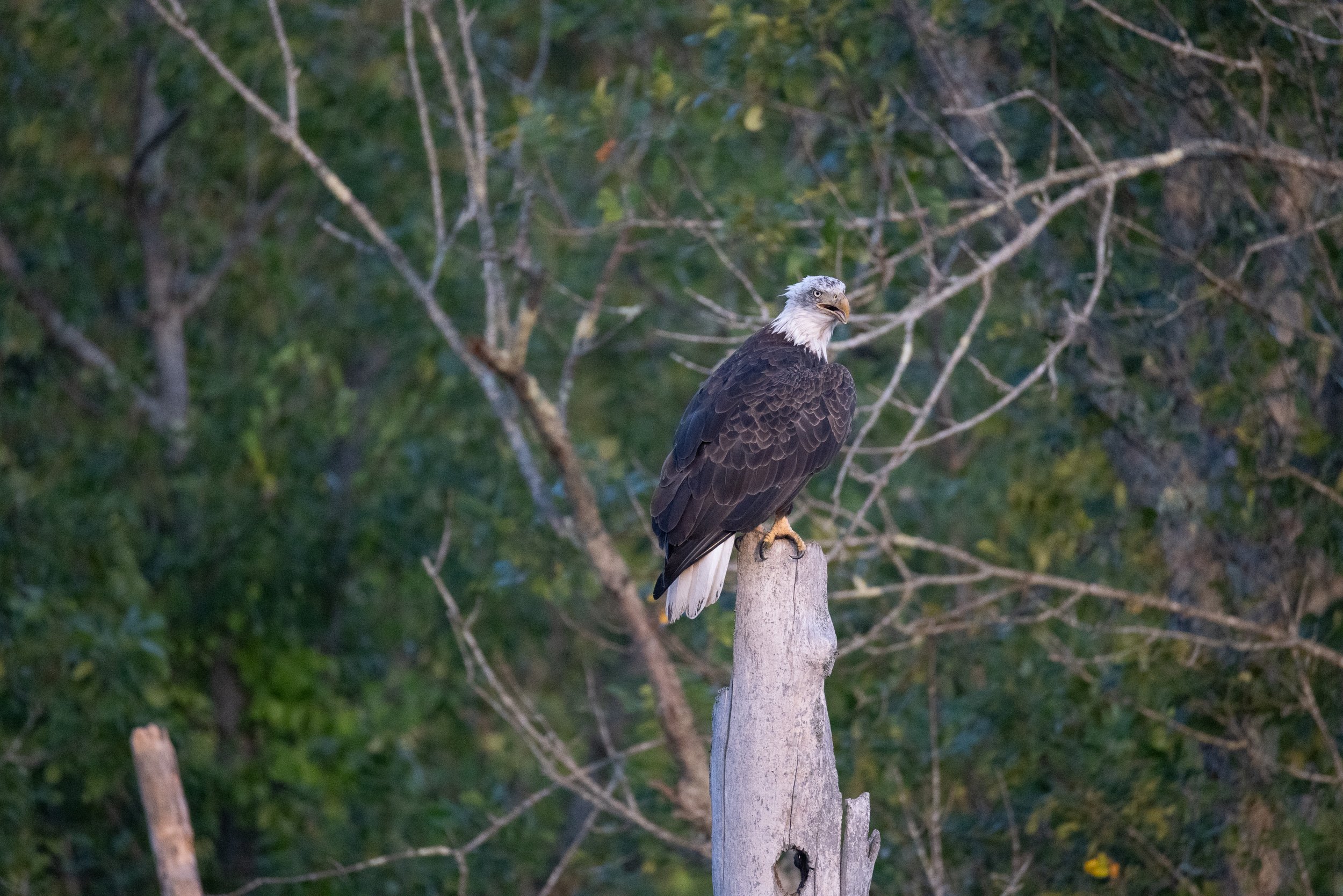
Bald Eagle
Bald Eagles, or Haliaeetus Leucocephalus, need no introduction, though many Americans have never see none in person. Their natural range includes the entirety of the US with the exception of Hawaii, and in their formative years they can range for thousands of miles, hundreds of miles in a day, until they settle somewhat in their mid single digit years. They can live for decades, the oldest Bald Eagle having been recorded at 38 years old at the time of its demise. Until 4-5 years old, adolescent eagles do not have the famous coloring of their elders, but rather a darker and more mottled appearance. Only with maturity do they gain their shiny white heads.
Benjamin Franklin was a documented hater when it came to the Bald Eagle. He was in favor of making the national bird of the United States the turkey, a much more noble bird according to old Ben.
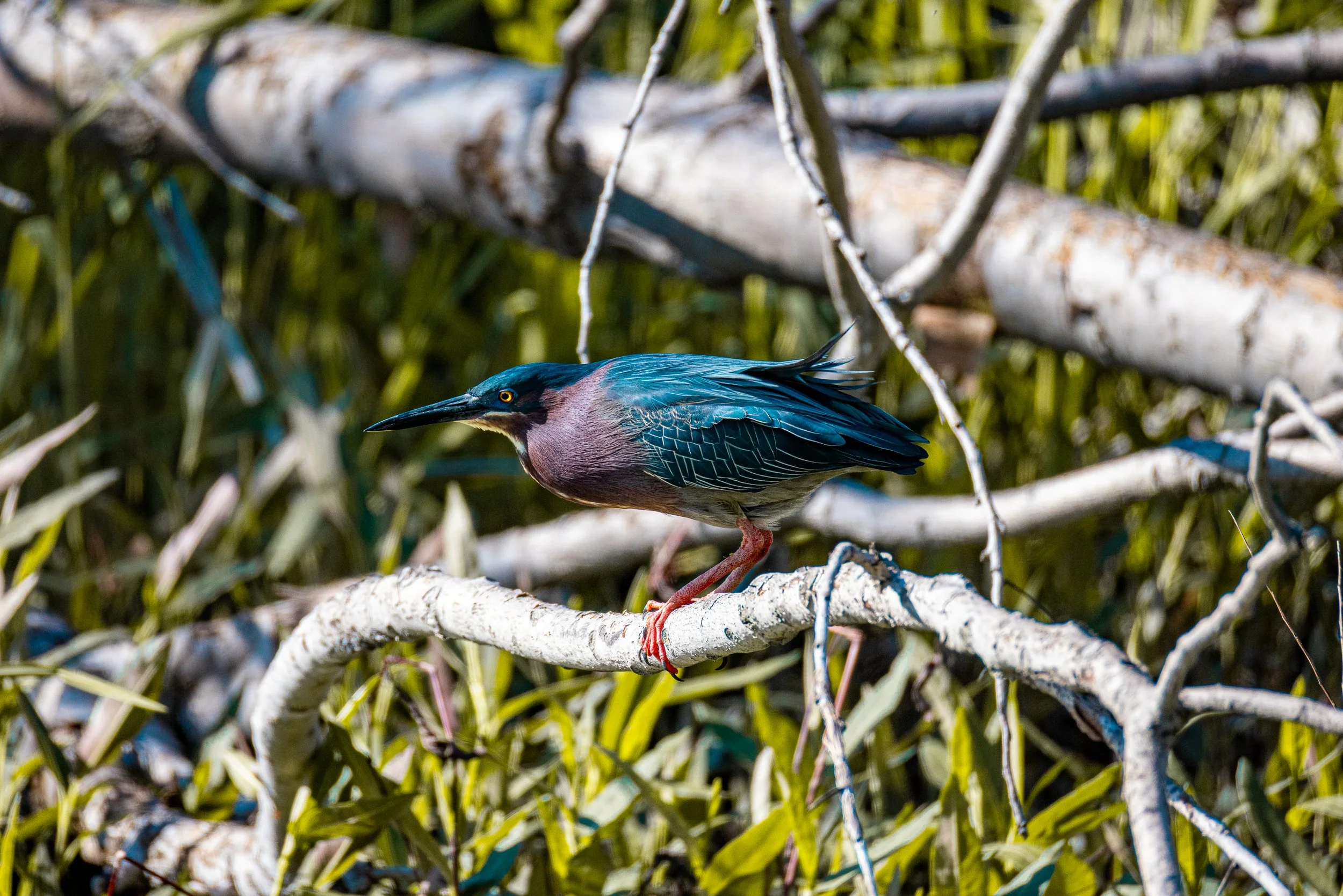
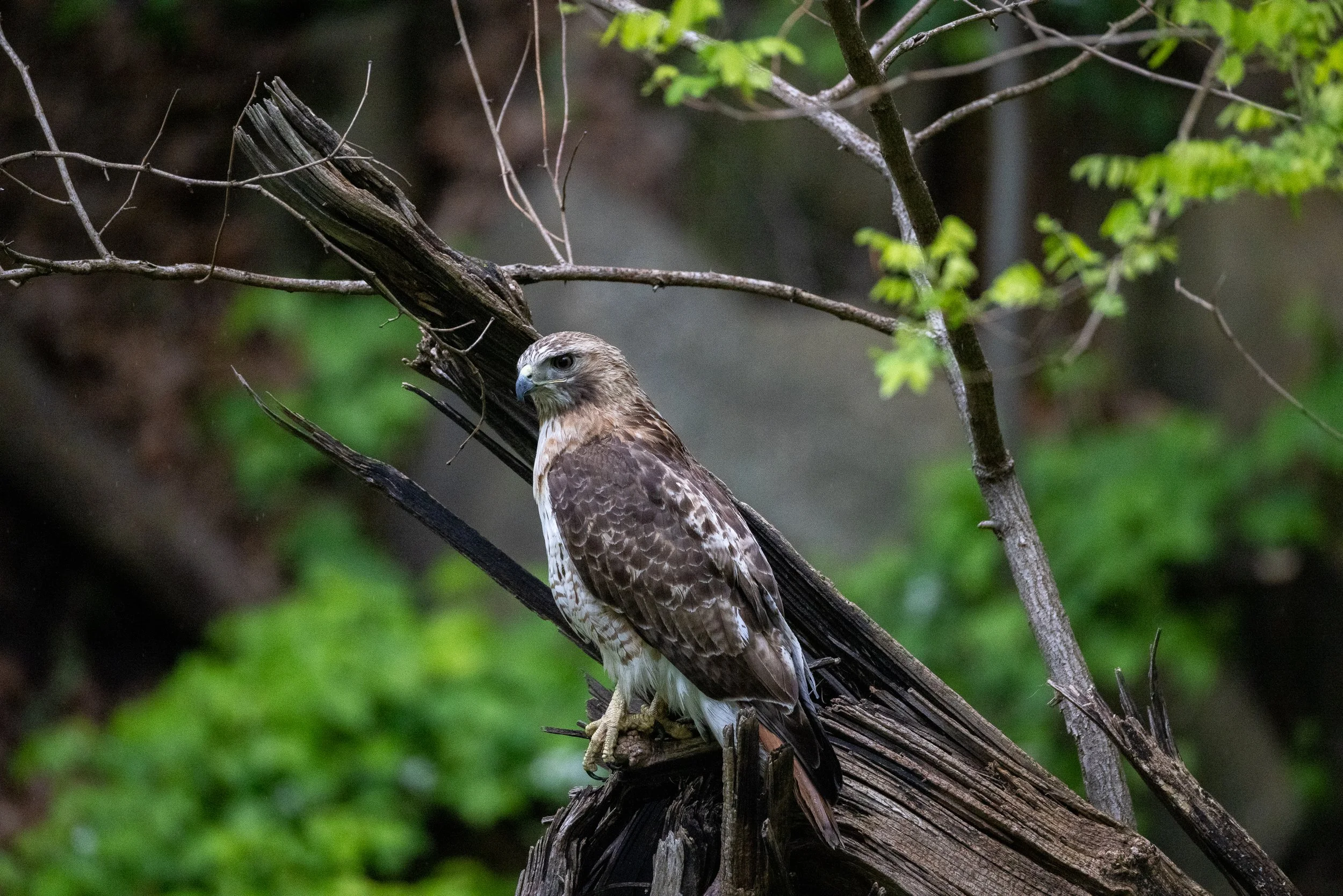
Red-tailed Hawk, Gorge Metro Park, Cuyahoga Falls
From the Yucatan to the Yukon, one of the largest birds you’ll find is the Red-tailed Hawk, or buteo jamaicensis. Any Midwesterner knows you can find a handful of these on any road trip, sitting sentry on the light poles and fences, keeping an eye out for the next meal. Living off of small mammals, these hawks are effective hunters that have no problem keeping their numbers out of the danger levels.
Though among the larger birds of prey in North America, these hawks pose no danger to anything larger than a small dog, and will avoid humans in general, though show little fear if they have other concerns, like fixating on prey.
Green Heron, Magee Marsh
Green Herons, Butorides Virescens, like other herons, are carnivorous. They enjoy preying on fish but are not picky. They will feast on invertebrates as well as lizards, amphibians, and arthropods. They have been known to use tools, like their own feathers or insects, to bait fish into striking distance. For one of the smallest herons, they are one of the most interesting.
They present green and blue feathers as well as blacks and brown, with steaks of white, making them gregarious among American herons. There are migratory and “stationary” populations which will move around in a range over the course of the year. They always live near bodies of water, whether that is marshland, lakes, canals, or small ponds.
Green Herons are much more individualistic than other herons, nesting with their seasonal mate away from other birds. Their simple nests serve as a breeding home to 2-4 eggs for up to a little over a month, after which the fledgelings leave the nest.
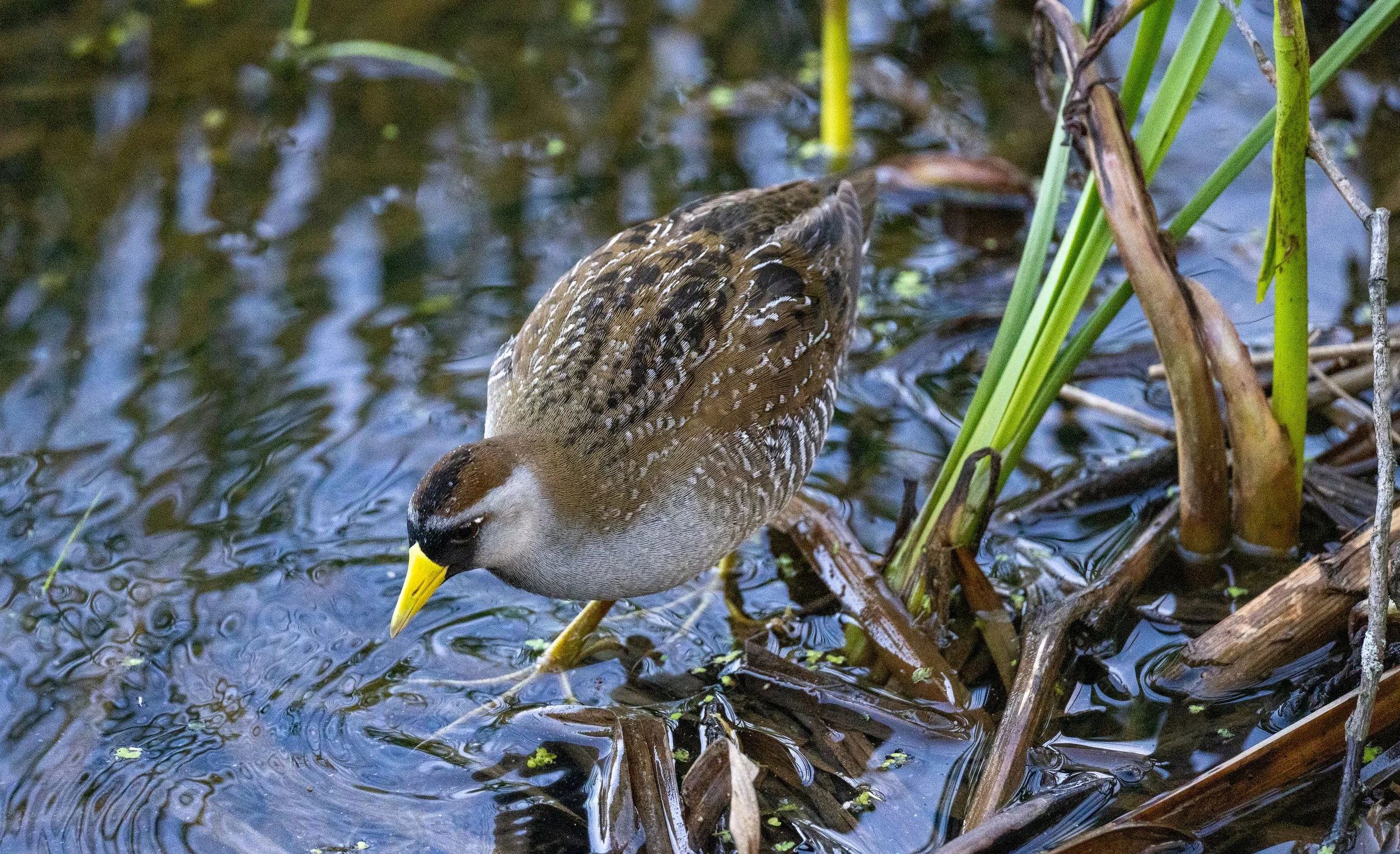
Sora, Beaver Marsh
The Sora, or porzana Carolina, is a wader of many other names that inhabits large swathes of the Americas, from Canada down to South America. The chubby little birds may not look like great travelers, but they move hundreds and even thousands of miles each year to migrate and breed.
Meadow chicken is my favorite name for the Sora, and Ortalon is another, though that is more of a misnomer, as there is another bird called Ortalon, which was found much earlier in Europe. These birds are the most common rail in North America, but can be hard to find due to their natural habitat of marshy, thick vegetation where people find it much more difficult to go. Expect to see them at the edges of their domain, wading around for a meal.
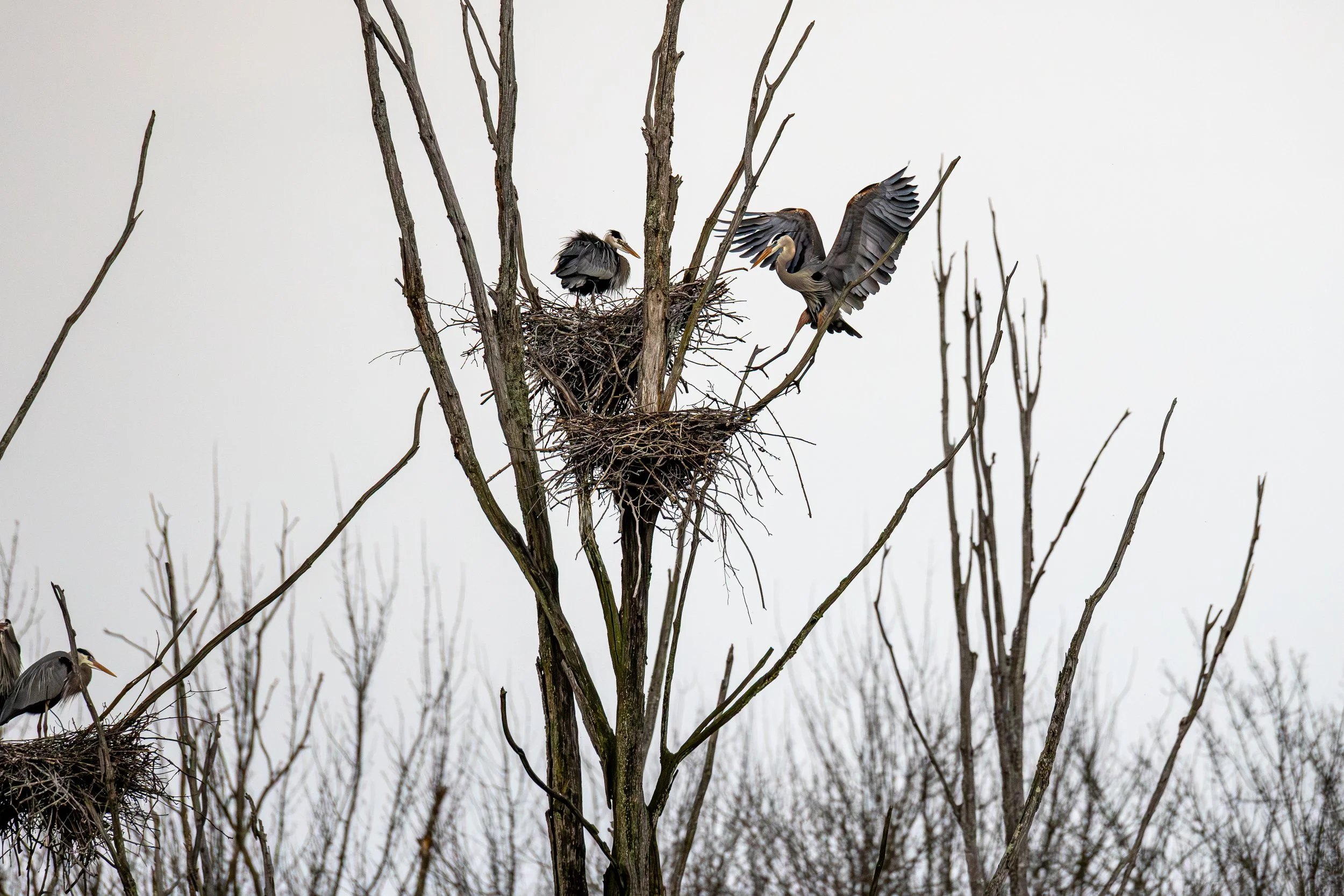
Great Blue Heron, Tinker Creek
The Great Blue Heron can be found in Ohio year round, though many do migrate south in the winter months. Those that do migrate return in February, males first, and create nests for their courting rituals. They attract females in part by offering them sticks, and mate for the season. Their chicks will hatch in spring and begin to fledge mainly in June and July.
Though Trumpeter Swans have a larger wingspan, as can Bald Eagles, Great Blue Herons are the tallest birds found in Ohio, and many other places, hence the “Great” portion of their name. Whooping Cranes hold the honor of tallest bird in North America, while Ostrich are the tallest in the world.
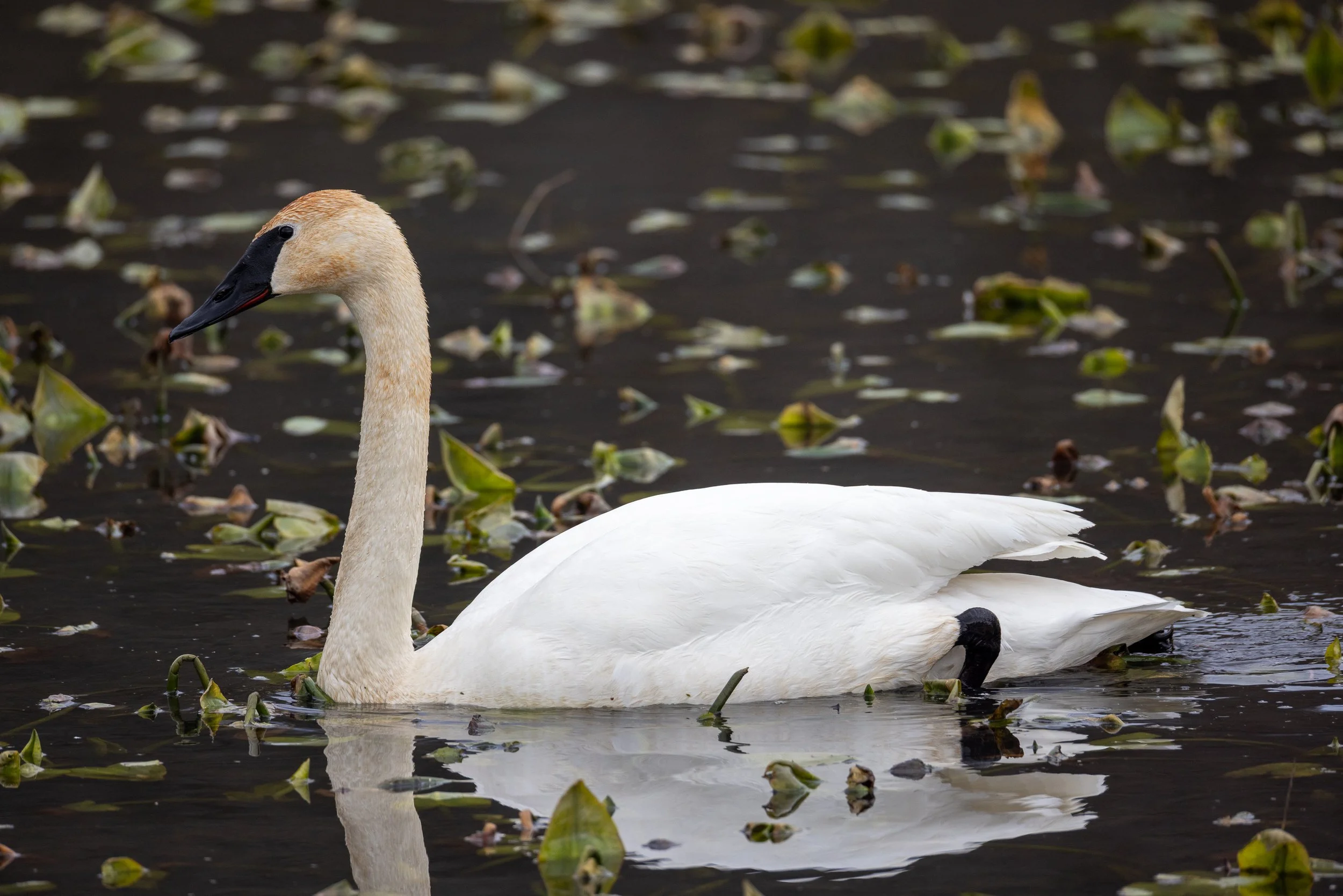
Trumpeter Swan, Metzger Marsh
Similar to the Great Blue Heron, the Trumpeter Swan can either migrate or reside in Ohio year round, where it is a native inhabitant. Hunting of the swan for its meat and for feathers saw its population numbers reduced to the point where they were rarely seen in many parts of the country. Though protection of wetlands and marshes where Trumpeter Swans feed and the illegality of hunting swans in Ohio has seen their numbers increase in the 20th and 21st centuries, they are still a rare sight.
Cygnus Buccinator primarily feeds on aquatic plants, though it has been observed indulging in a worm or other invertebrate, such as a snail.