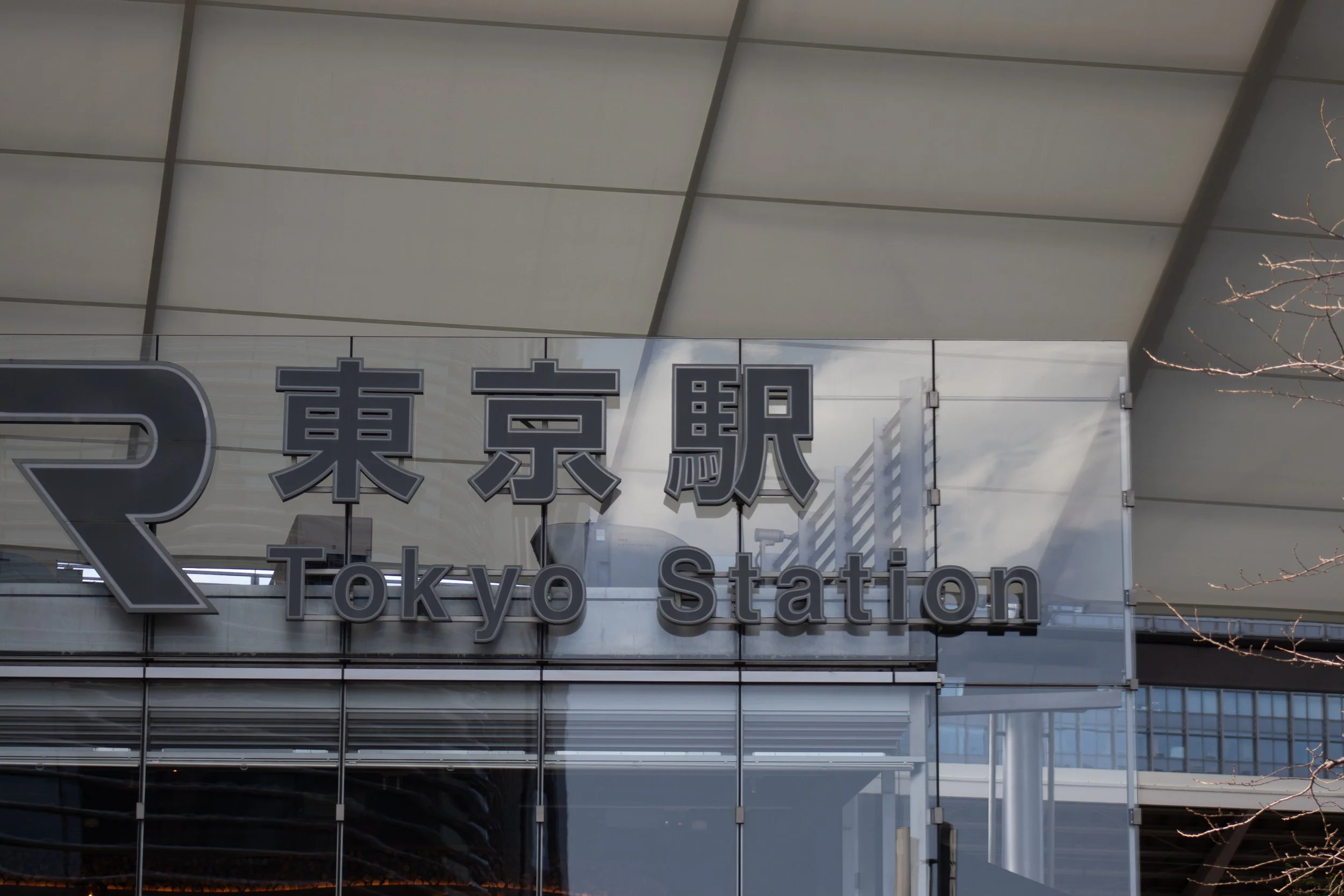
Tokyo, Japan
Tokyo is Huge. The first thing you need to know is that it is big, big, big. For many years it has been the largest city in the world by many measures, including population. Only a few cities can match it in any category, Jakarta and Dhaka being chief among those with high populations. It is also big in the way it takes up land. Second only to the sprawl of New York, it is much more densely populated.
It is also well organized, unbelievably clean for a city of its size, and endlessly entertaining if you know where to look. The difficult part is knowing where to look, and the next most difficult is knowing how to find it. Being so well planned out, many processes and directions are intuitive, and a confident attitude can take you far. But if you do not speak, read, or write any Japanese, you will encounter some difficulties. The fact that Japan utilizes 3 alphabets, at least to some degree, does not help the layman traveler
Social Etiquette
In Japan, more than most other countries, there are understood and unwritten social mores, codes of conduct that people are expected to follow. While foreigners may not be expected to know and follow all of the Japanese rules of etiquette, some basic understanding of social life will go a long way toward making your trip more enjoyable.
First, try your best not to bother anyone. A lot of social behavior can be summed up by kindness, putting others first, and going out of your way to be polite. That extends to thinking about whether or not your behavior would be off-putting to those around you. This is the reason many trains and buses are quiet, even when full. You will of course see aberrations from the rule, but follow suit with the crowd’s behavior to fit in.
Second, there is an overblown stereotype of Japanese dislike of foreigners. Tokyo receives nearly 30 million foreign visitors each year, which is over half the international visitors to the entire country. There are many Japanese who do not speak English, well or at all, and most foreigners do not speak Japanese. Throw in 50 other languages, and you might get tired of dealing with all that noise too. Observe the Golden Rule, and if you can’t speak Japanese, don’t try and sit down in a restaurant that says “Japanese Only.“
Bathrooms are free in Japan, not paid like many places in Europe. There are public restrooms and restrooms in cafes and restaurants, but if you use one in a place of business, it is customary to make a purchase.
Money
Japan uses the yen, one of the most utilized currencies in the world, thanks to its strong stock market. Although Japan is a tech savvy country and leads the world in many innovative areas, it is also a country that utilizes a lot of cash money. Be prepared for some places to only accept cash, even in the big city. Even if they do take cards, some machines are not connected to networks that can access cards not issued in Japan.
Cash yen comes in coins and bills, the smallest bill being the 1,000 yen denomination. Coins will make up the smaller amounts and bills will command higher values.
ATMs may not take your card either. Some will have a disclaimer about cards not issued in Japan, some may not. You will probably encounter a circumstance where you either need cash or it would be more convenient if you had some, so we suggest getting cash as soon as possible on arrival.
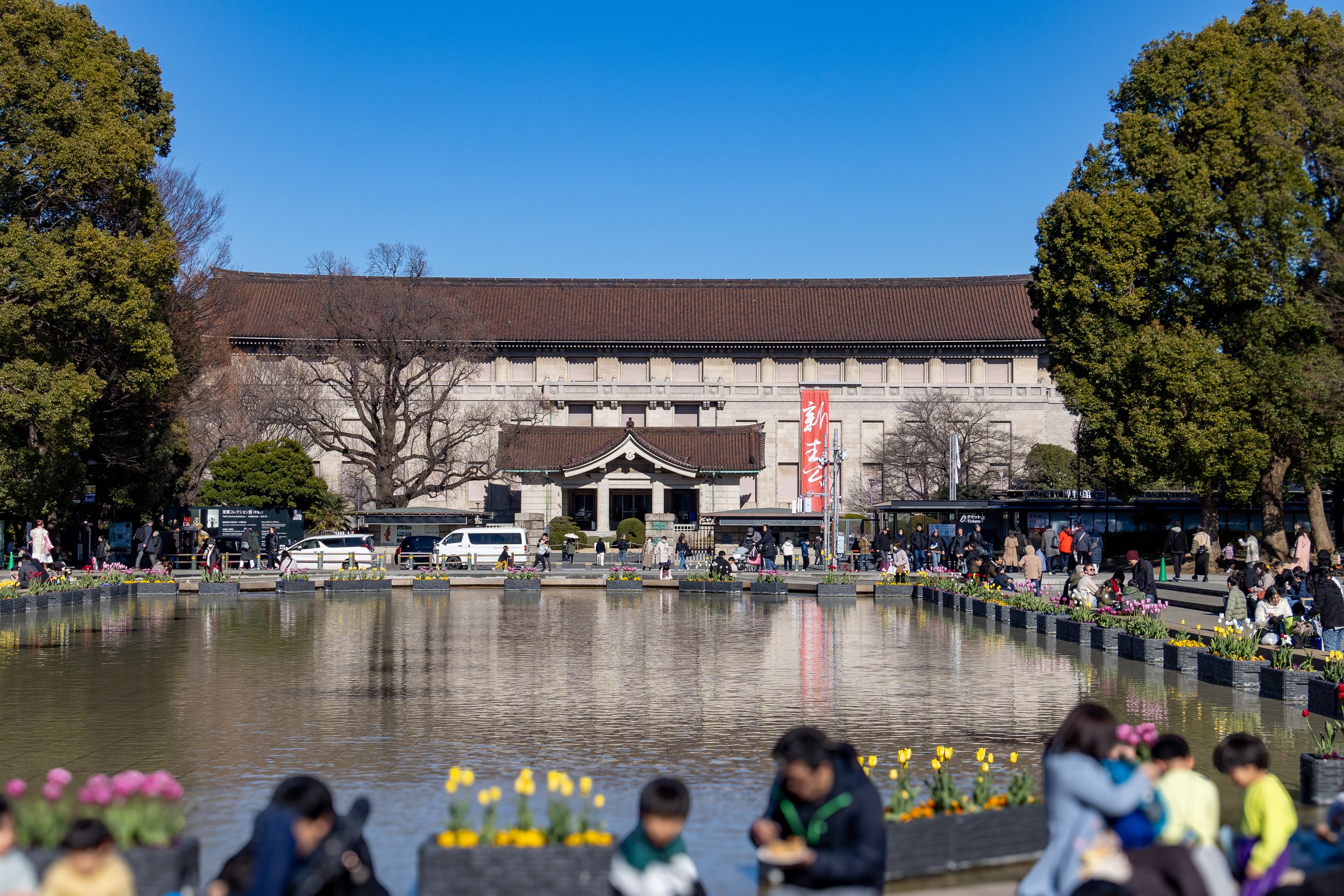
Tokyo National Museum
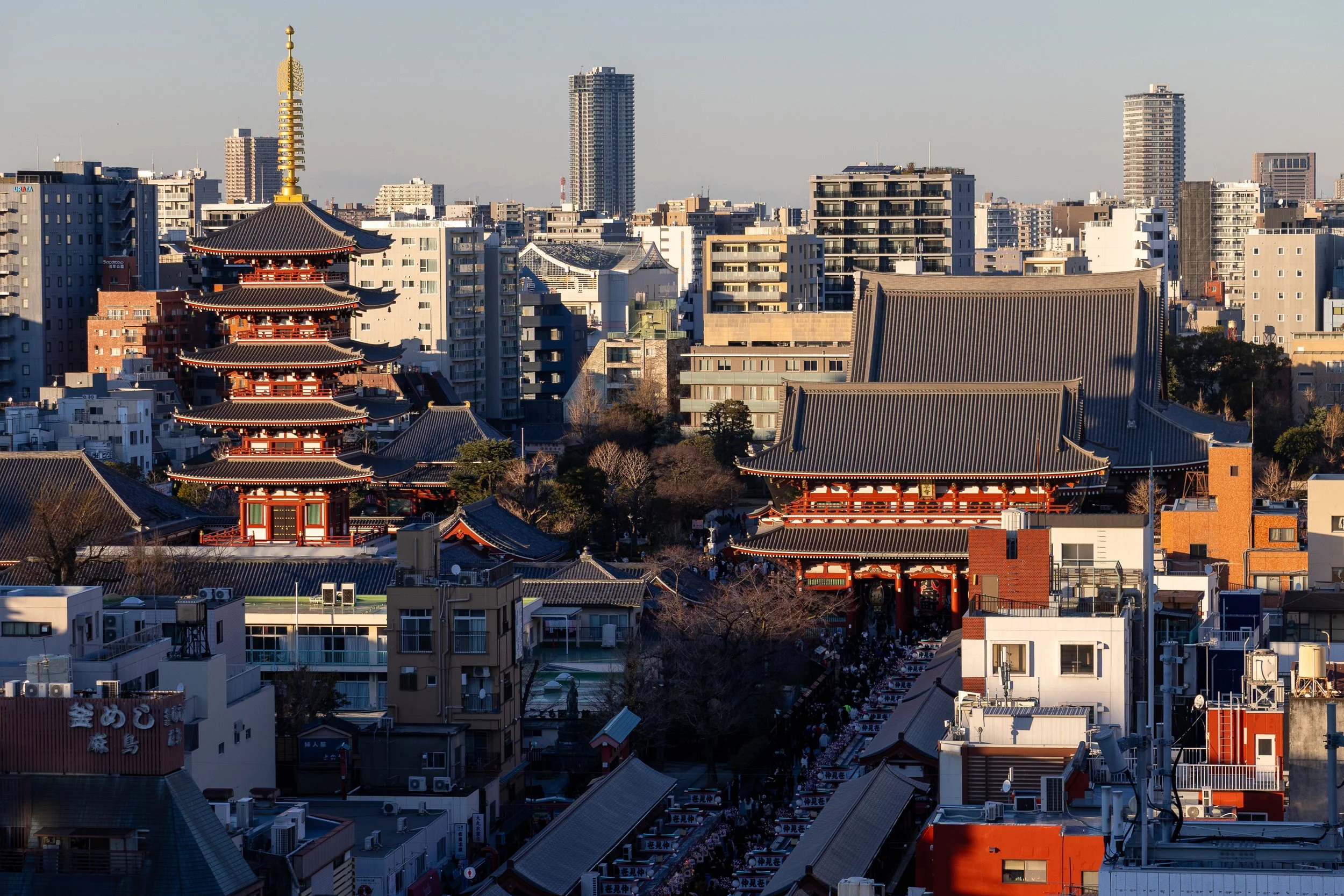
Sensō-ji
Where to Go/What to Do
The Tokyo National Museum is a complex of buildings housing art and historic artifacts from ancient to modern Japan, as well as other Asian culture. The cost of admission is low and you can procure tickets ahead of time. It is an excellent way to shore up your Japanese historical knowledge straight from the source, and see some great artifacts. It is easy to get to as well, just outside of Ueno Station.
The Meiji Shrine is a major tourist destination, and shrines in general need to be mentioned, both for their cultural significance and their sheer quantity. There are many Shinto shrines and there are many Buddhist temples, and though the uninitiated may confuse the two, they are different.
Shinto originated in Japan and focuses on animism and a belief in kami, spirits that inhabit the world around us. Ancestor worship, or at least reverence, is also central to Shinto. While kami are not gods in Shinto, they are also revered.
Buddhism may be slightly older than Shintoism, and has as its central tenants the Four Noble Truths. 1, that there is suffering in life, 2, suffering is caused by desire and attachment, 3, suffering can be ended, and 4, the way to end suffering is by following the Eightfold Path. The tenants of the Path are Right Understanding, Thought, Speech, Action, Livelihood, Effort, Mindfulness, and Concentration.
A cursory glance at these descriptions or a passing familiarity with modern Buddhism might lead one to believe that these religions preclude violence, but that would be naive. There were warriors monks and samurai aplenty that practiced both of these belief systems throughout the history of Japan. That fact helps to explain the sheer number of both temples and shrines throughout the country, especially in important cities such as Kyoto, Nara, Osaka, and Tokyo, or long held centers of power for influential clans, like Fukuoka.
One of the easiest ways to differentiate between shrines and temples is the gate. Shrines will have one or many torii gates, sometimes stone and sometimes an orange color, while a temple will have a large gate, generally at the entrance.
A shrine may include fox or dog statues(the messengers of kami) while temples will have statues of Buddha. Temples will often have a cemetery or graveyard, while Shinto views death as impure, so shrines will never have them. If you use Google Maps on your trip, shrines will have one symbol on the map, and temples will have another.
Sensō-ji is the oldest Buddhist Temple in Tokyo, dating back to 647. Obviously the wooden construction of the buildings has worn away over time, but there has been a temple on this spot since then, in much the same form. Dedicated to the Buddhist deity Kannon, the goddess of mercy or compassion, this site is one of the most visited in the city.
The Asakusa Culture,Tourist, Information Center is where you should start exploring the neighborhood of Asakusa, which is where Sensō-ji is located. The Observation Deck on the 8th floor offers a great view right down Nakamise Shopping Street, from the Kaminarimon Gate to Sensō-ji. It is a great view, and you can gather info, get a lay of the land, and strike out with confidence. There is free Wi-Fi as well, and helpful volunteers to answer any questions you may have.
The Imperial Palace and Gardens are one of the centerpieces of Tokyo, and one of the must visit places for any tourist. Though the Palace itself is off limits, except under certain circumstances and then with a guide, the Gardens are free to enter and almost always open to the public. The Gardens are wonderful to walk in or find a quiet seat and read.
Much of the Palace was damaged or destroyed in World War II, and many of the buildings extant now date to the 1960s. Some of the buildings did survive, and the grounds are similar to the way they have been for hundreds of years.
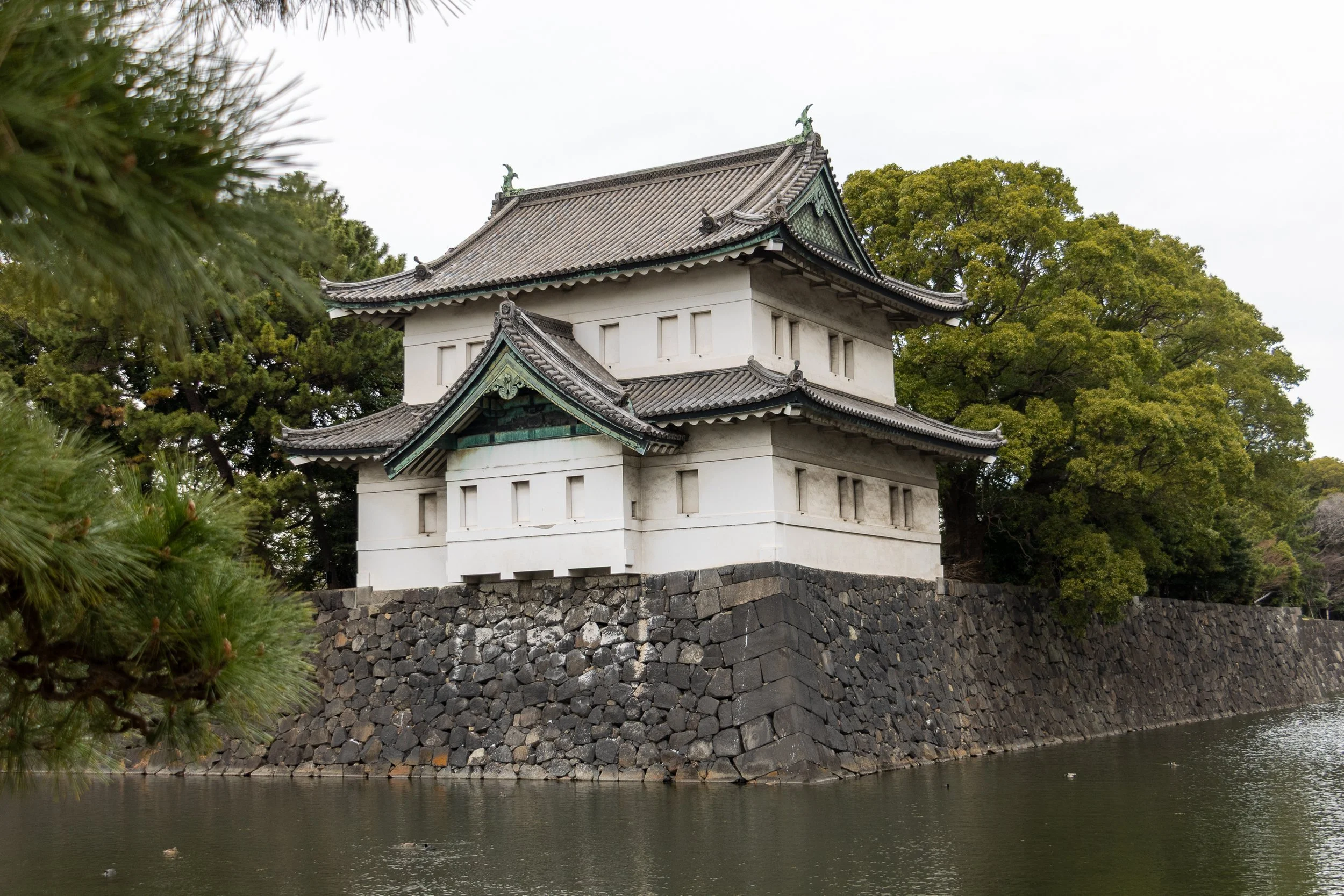
Building on the Imperial Palace Garden Grounds
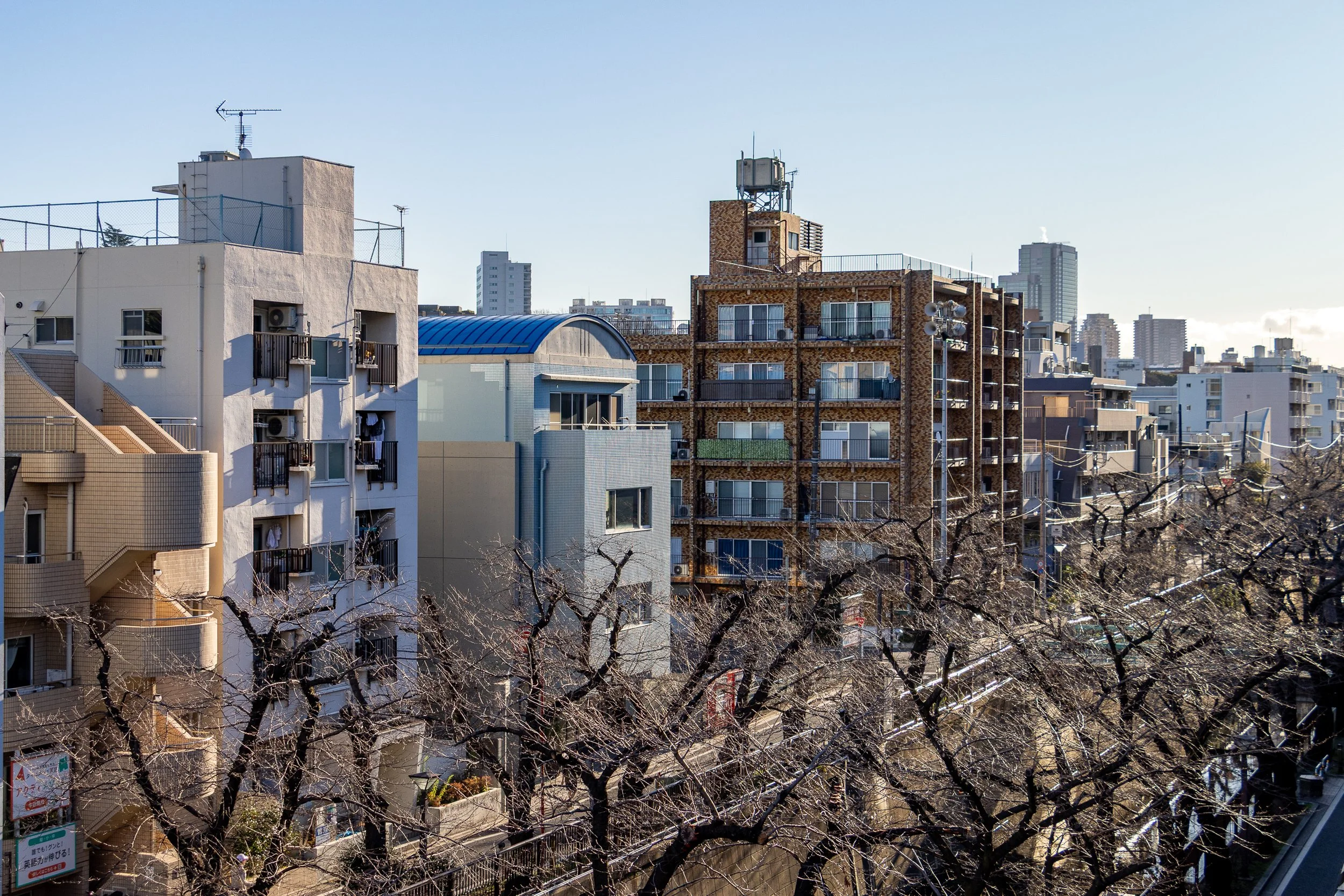
View from Starbucks Reserve Roastery Tokyo
Shibuya Crossing is one of those places that pops up in social media videos once in a while, because of its inherent uniqueness. This is the busiest pedestrian intersection in the world, processing at least 250,000 people per day, and as many as 5 million. Being on the ground, crossing the street during the height of the human press is an experience, and can be claustrophobic. You can view the crossing from a height at the restaurants and cafes for the price of a coffee or a meal, or there are some crosswalks you can traverse to get a view for free. It is impressive, but not something to pay for.
The Go Karts and themed costumes you may have seen scrolling online go through Shibuya as well, and there are at least 2 companies that offer this experience as of this writing. They will cost from $50-$150 per person, depending on the time and company.
The Tokyo Metropolitan Government Building No. 1 is perhaps the best suggestion in this list. It is free, and offers one of the best views of Tokyo from its observation deck on the 47th floor. Just make your way to the building and follow the signage for the Observatory. We did not see this suggested anywhere before we arrived in Japan, and only once have we seen it after we left, so it is not widely known or advertised.
Stores
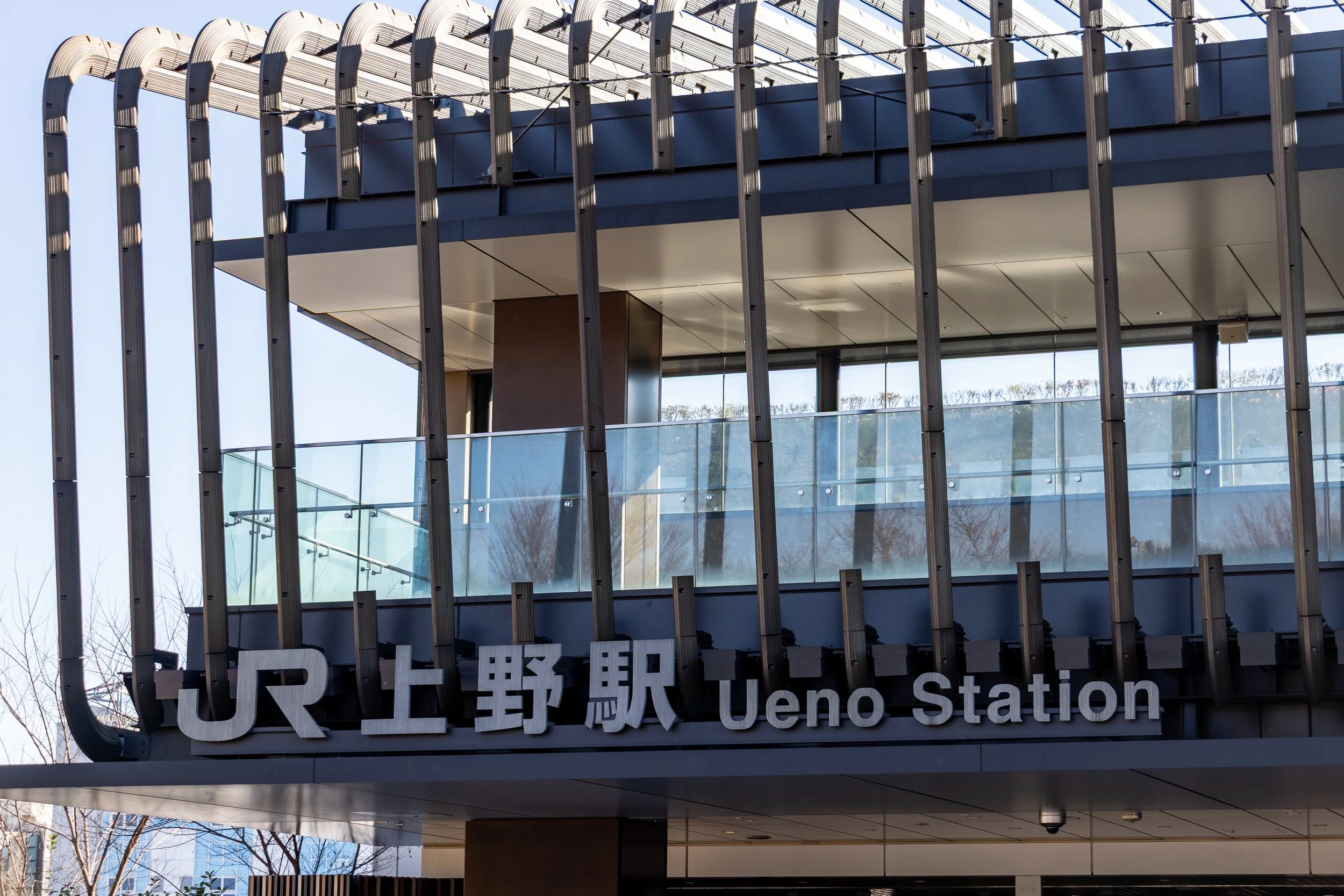
Ameyoko Market is an open air market just outside of Ueno Station, in Taito Ward. This is also the station for the Tokyo National Museum and the Zoo. Ameyoko is short for Ameya Yokocho, which means “candy store alley”. Candy stores used to populate the street, and you can still find a treat or two here. This is a great place to go shopping and experience crowds of people.
The Starbucks Reserve Roastery is a guilty pleasure, and a little more pop culture than we usually like, but then again we like mocha lattes, so we make an exception. There are only six Reserve Roasteries in the world. Seattle, Chicago, Milan, Tokyo, Shanghai, and New York are the locations, so they’re not an every day kind of cafe. They serve drinks you cannot purchase at a normal Starbucks, like espresso martinis, and have a much larger menu in general, for both coffee, tea, and confections.
There are several Pokémon Center stores in Tokyo, as well as Pokemon themed stores. Not all of these will sell Pokemon cards, and if they do there will be a limit on how many packs you are able to purchase. The TCG is taken seriously and this is the home of the franchise after all.
The Shibuya Pokemon Center is located in the Parco Building, next to a Nintendo store, a Jump Shop, and Sega, Godzilla, and Capcom themed stores. It’s a real nerdy paradise. We suggest visiting on a weekday, during the day, when many other people are working or in school. Lines can be prohibitive at busy times.
There are a few Harry Potter stores in the world, and this one is the same as the rest. But we like HP and his wizard pals, so it gets a mention. Much like the Disney store, it tends to have long lines, due to the worldwide popularity of the brand.
We decided not to patronize any of the popular animal cafes, due to the lack of animal legislation in Japan. In broad strokes, there is no guarantee the animals used in the owl, otter, pig, or cat cafes are taken care of in any manner consistent with our values. If these are something you are interested in, do your homework first. They are popular on social media, and easy to find with a quick search.
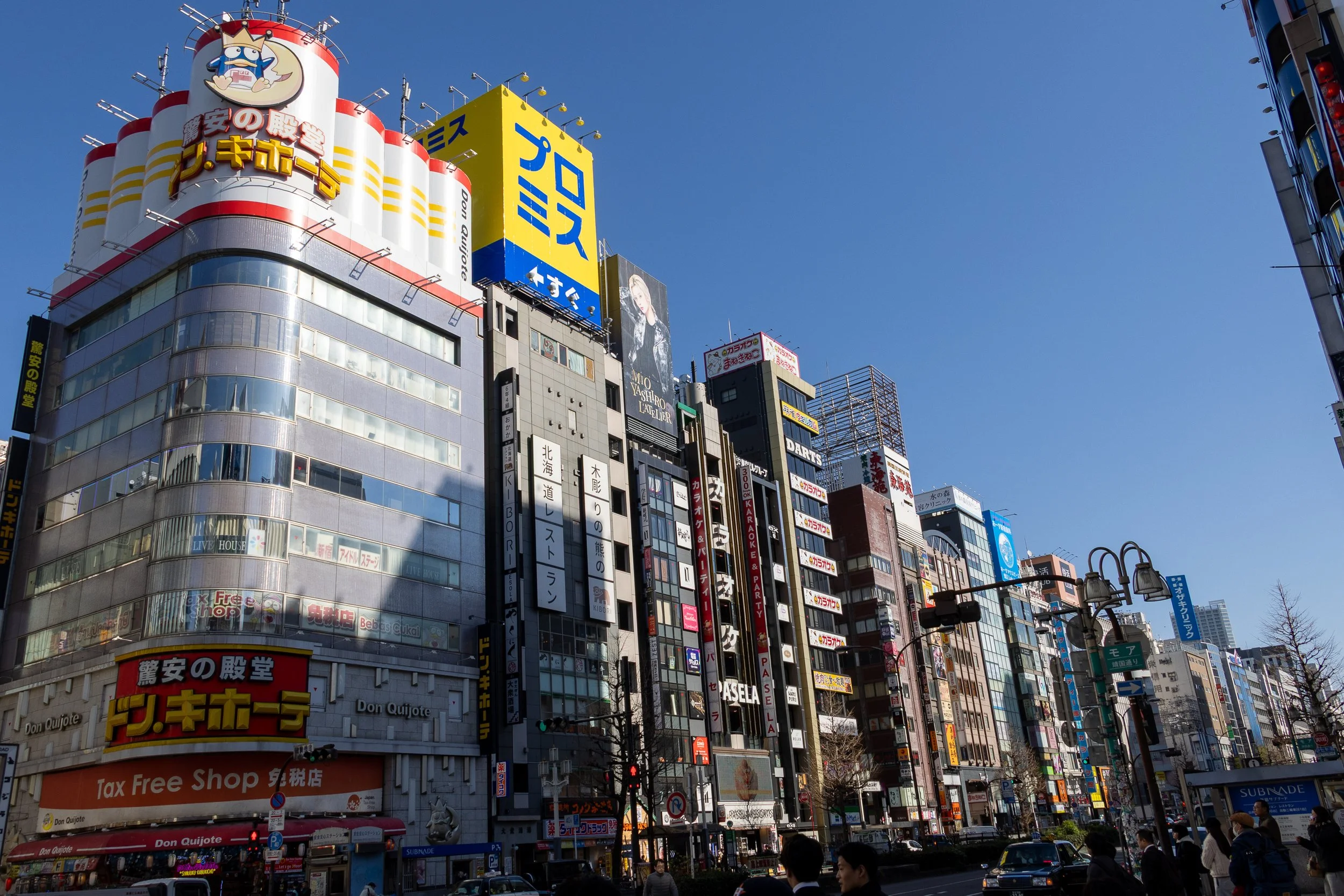
Don Quijote(ドン・キホーテ) deserves an article of its own, unique and crazy as it is. Donki for short, it is like a carnival inside of a multistory mall, but with more lights and less discernible order. There are dozens of locations in Tokyo and hundreds spread across Japan, and some are simply massive. They have an adorable penguin mascot named Donpen, and they carry an incredible assortment of items, from food to electronics to groceries and alcohol.
Konbini(コンビニ) is the Japanese for “convenience store”, and they are an essential part of everyday life in Tokyo and around the country. Big names include 7-11, Family Mart, and Lawson Station, and they can be found a short walk from anywhere in the city. Snacks, drinks, and small meals like onigiri, or rice balls, can be found here and many people use them for human fuel on the go.
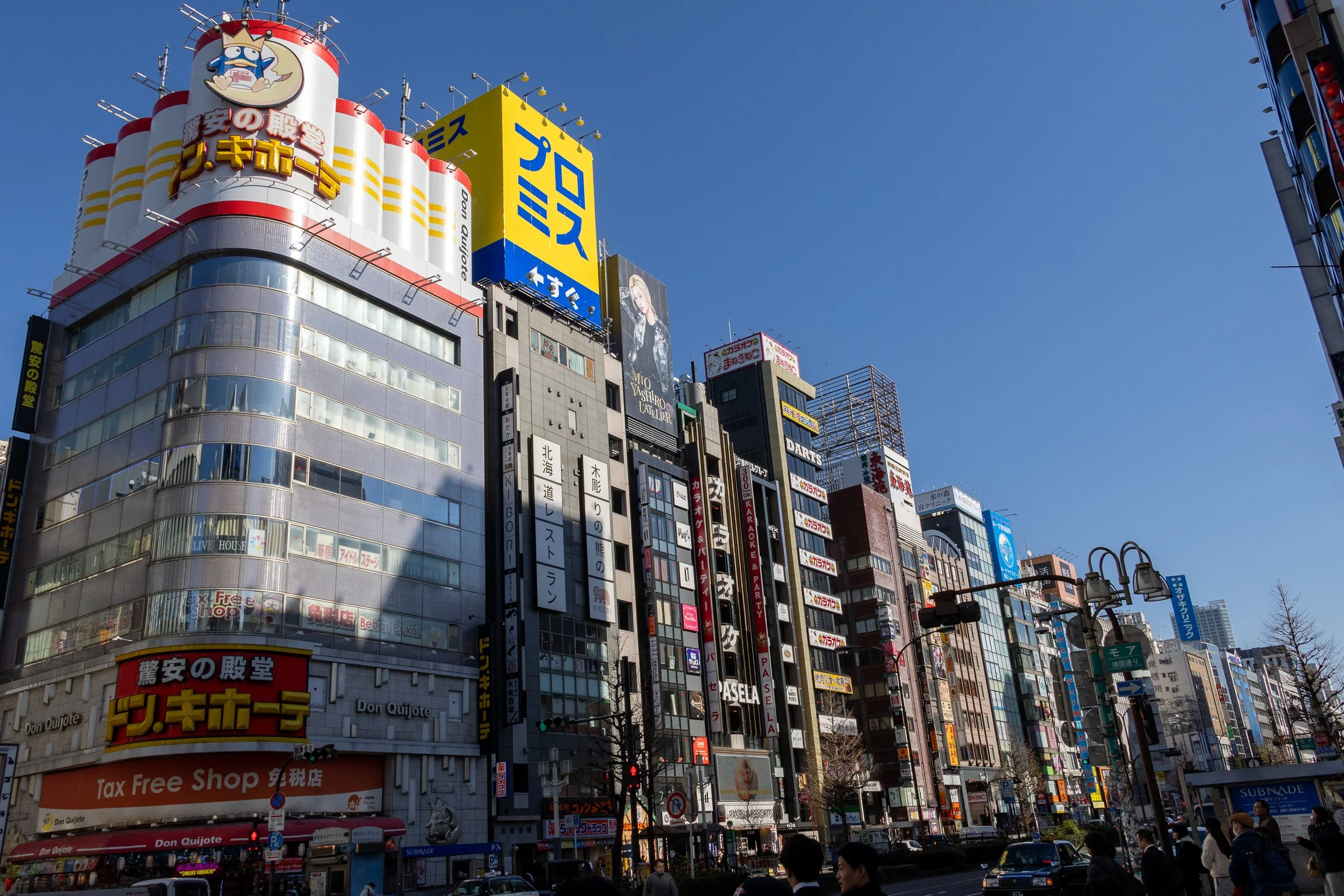
Don Quijote Store
Neighborhoods
There are a lot of neighborhoods in Tokyo, and many of those neighborhoods are larger and more populous than many cities the world over. We are not going to list all of them, just highlight a few.
Ota is more or less a residential neighborhood, though it still has plenty of amenities to serve the people there. The Don Quijote store are smaller, and there are fewer tourist based businesses, as well as fewer attractions. Ota is where Haneda Airport is located.
Shinjuku is busy, but more spread out, and has more large buildings and business on the upper floors, off of the street.
Shibuya is one of the busiest neighborhoods in Tokyo. It has one of the busiest train and metro stations, as well as the busiest pedestrian crossing in the world.
Harajuku is a district of Shibuya, easy to get to and popular with tourists and locals for restaurants and shopping, particularly clothing. Takeshita Street is the main shopping street. Meiji Shrine and Yoyogi Pare are located near Harajuku Station.
Ueno is a quieter district, and has many museums including the Tokyo National Museum and Ueno Zoo.
Ginza is the fancy, upscale part of Tokyo. Think shopping, jewelry, modern, upscale, and expensive. It’s nice, but not for the faint of wallet.
Shinagawa is where Sengaku-ji, the resting place of the 47 Ronin, is located. North of Ota, you will pass through Shinagawa on your way to most of the rest of Tokyo from Haneda.
Asakusa is both a happening neighborhood that sees a lot of tourists, and a quiet residential area with sleepy rows of housing. The dichotomy of a big city can be seen by visiting Sensō-ji, and walking ten minutes away to step out of the noise and hustle and bustle.
Chiyoda is where the Imperial Palace, Akihabara, and Tokyo Station are located.
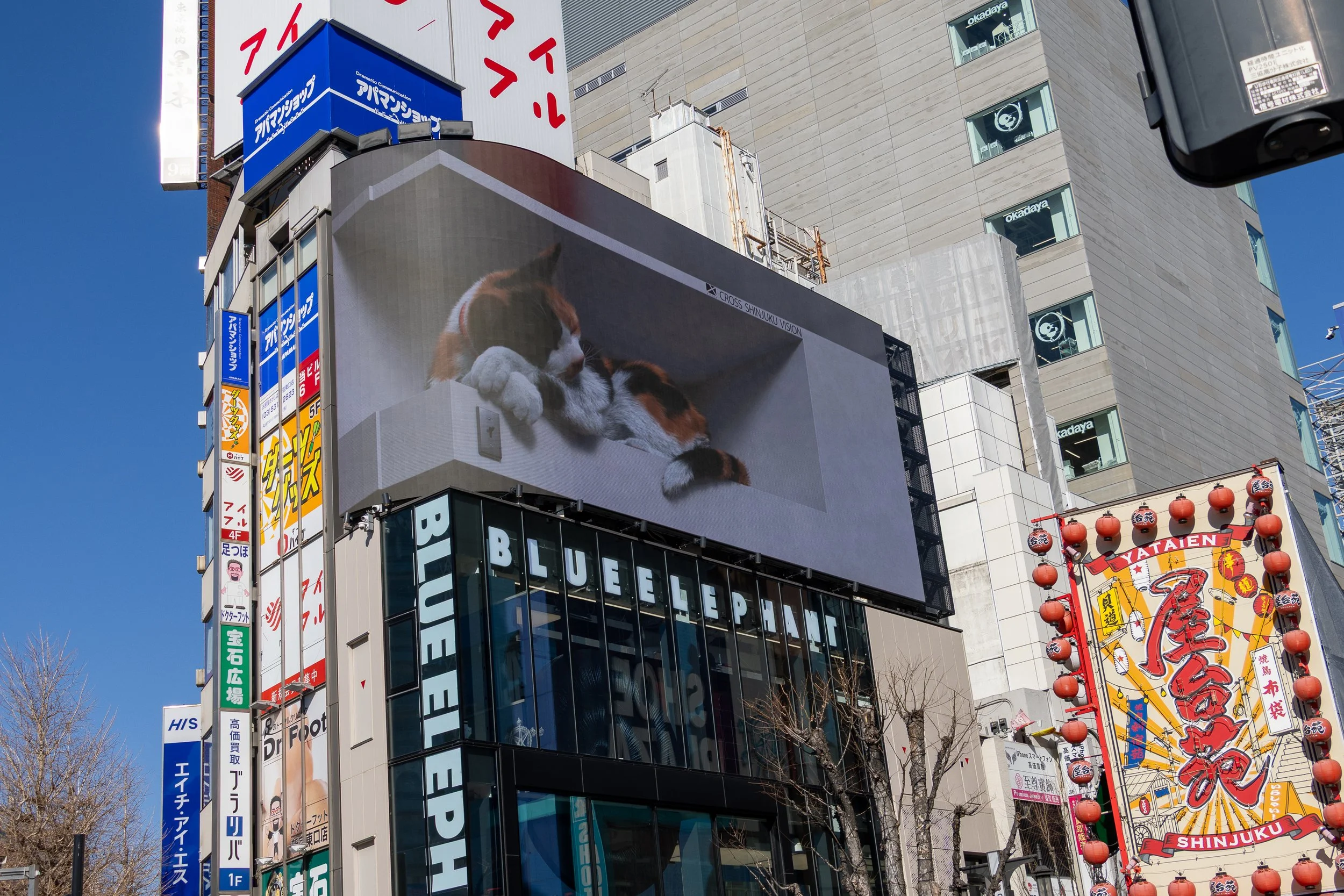
Shinjuku
Food
Food in Tokyo is easy, even if the language is a barrier. There are so many little restaurants and convenience stores, you don’t have to walk more than a block or two in any popular area without passing a few options. Most of the places you’ll encounter either have staff that speak enough English to assist, or have computers to order from that can be switched to English. Even if that’s not the case, the old point and nod works everywhere and holding up that credit card is also universal when it’s time to pay.
For those who like their usual fare, or want a taste of home, many of the major fast food chains that operate in America are also present in Japan. McDonald’s, kfc, Burger King, subway, Starbucks and many more are all around. There was an occasion where we stood on a sidewalk and counted five separate Starbucks. Even if you don’t want sushi or onigiri, you’ll be able to find food.
If you are on a budget, find a grocery store. konbini or convenience stores are everywhere, but if you have access to a stove, rice cooker, or even just a microwave, you can save some serious money over eating out for every meal. To be honest, checking out a grocery store or a Don Quijote and making something at your accommodation can be a great experience.
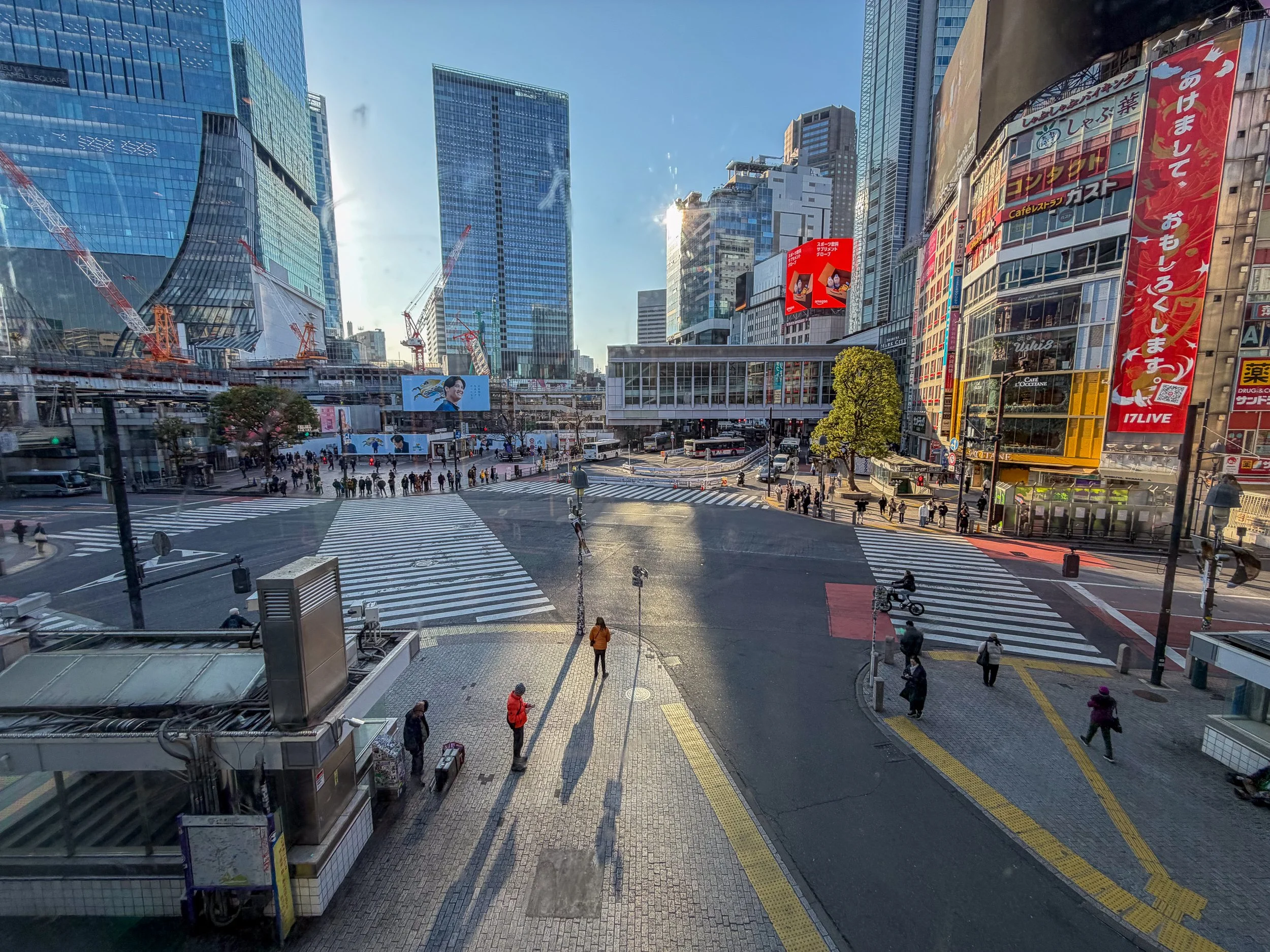
Shibuya Crossing
Transportation
You need the ability to move great distances quickly, because of the sheer size of the city and because of the great distances you will need to travel to see all that it has to offer. You have the option of using public transportation, walking, biking, rideshare, taxi, or renting a car.
Public transportation in Tokyo is world class. The train and subway networks are extensive, widely used, well run, and convenient. It is so useful that if you are staying in Tokyo, it is more cost efficient to use it than to rent a car, but a car is a valid option for trips outside of the city or to places the train network does not reach.
The major hindrances for foreigners using public transport are the language barrier, and the possibility of monetary issues at the point of sale. Credit cards are not accepted at every ticket machine, and there are different lines that use different ticket machines. The JR (Japan Rail) lines for example will have ticket dispensing machines separate from the municipal lines. Once you know which machine to use, you should be equipped to find the proper ticket.
We suggest procuring and using the prepaid card if you are going to be in the city for more than a day or two. It is much quicker and simpler to swipe in and out and you will save a lot of time as opposed to using the ticket machine every trip through a station. The most popular versions are the SUICA and PASMO cards.
You can purchase paper tickets each time you take a trip, or you can use a prepaid card to swipe in and out of the station. Either way, you will need to swipe out as well as in, so hold onto those tickets! At larger stations there are attendants to assist, but at small stations there may only be a ticket machine.
If you need to transfer from one line to another, but don’t want to exit then purchase another paper ticket and swipe back in, there are Transfer Ticket Machines. Simply insert your paper ticket, type in your new destination station name or number, and pay the appropriate amount! This will likely be cheaper than buying a whole new ticket anyway.
Etiquette on the train is fairly simple. Don’t eat, don’t drink, stay quiet and keep to yourself, and offer your seat to anyone who needs it more. They’re not hard, line in the sand rules, but if you follow them for the most part, you’ll travel just fine and not incur any dirty looks.
You will probably see 1 in 100 commuters with a drink or a rice ball, or making a phone call, and no one is going to call them out or make a scene, so don’t sweat it if you forget good manners. The most important thing is to not bother others.
Bicycles are a part of everyday life for a huge portion of the citizens of Tokyo, and in the warmer months it is a legitimate way for tourists to get around. You may see infrastructure for bikes you are not used to, like bicycle parking lots or electronic bike parking stalls.
There are places to buy or rent bicycles, and the barriers for foreigners are roughly the same as with public transportation. The language on signs will be Japanese and indecipherable if you do not know it, and it may take some time to get used to biking around such a big city, but it is possible.
Rideshare and taxis operate much the same as anywhere else, because there is no such thing as a rideshare in Tokyo! Uber and other apps will function, but they will summon an official taxi, much like the native Go app. Or you can just hail a taxi as normal. They are everywhere.
Renting a car is also much the same as anywhere else, with the caveat that it can be much harder to get around. Driving on the opposite side of the road, where all of the signs are in another language, with a foreign alphabet (or three), can be daunting. The actual reservation, pickup, and dropoff will be much the same as anywhere else.
Another distinction of the Japanese rental industry is that you can rent cars directly from some of the car manufacturers. Toyota and Nissan for example have websites to rent cars, similar to Hertz and Enterprise.
Air Travel
Almost all visitors are going to arrive by plane, and most of those are going to be arriving at Haneda Airport (HND). Haneda is the busiest and largest airport in Japan, and it is located conveniently in the middle of Tokyo. A short car or train ride will take you into the city proper. There are other international airports in Japan, but coming from the US and most other countries, you will have two options.
The other option is Narita Airport (NRT). Narita is located further north, still in Tokyo but a much longer ride away from most of the sights, attractions, and accomodations in the city. It can take over an hours on the local trains to get downtown. For this reason, and the size of NRT, is handles far fewer passengers.
There are plenty of other airports in Japan, and plenty of domestic airlines. Air travel can be reasonably priced in the country that made the bullet train famous, so don’t dismiss it out of hand.